📞 +255 742 119 753 ✉️ tours@resilienceexpedition.com
KPAP Certified ★ 5.0 Rating
PLAN EXPEDITION
GET A FREE QUOTE
260 km²Crater floor
600 mRim to floor
25,000+Large mammals
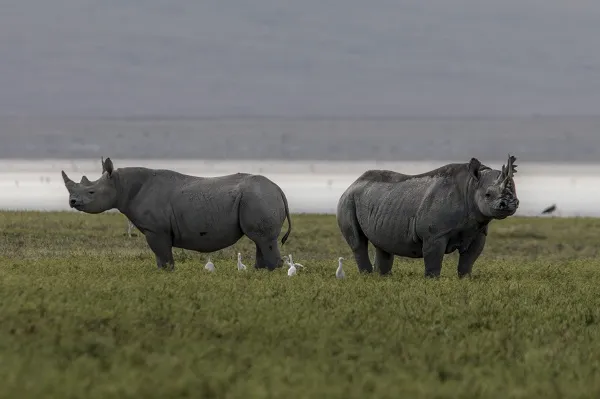
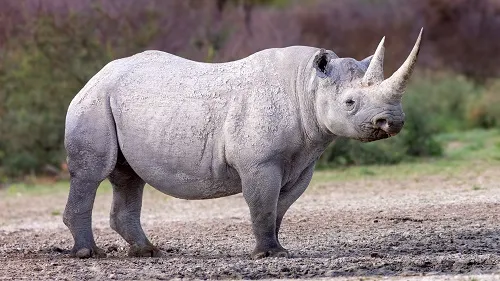
~30Black rhino
UNESCOWorld Heritage
3 hrsFrom Moshi
UNESCO World Heritage · Tanzania · Ngorongoro Highlands

Ngorongoro Crater
Conservation Area Packages

The world's largest intact volcanic caldera — 260 km² of enclosed ecosystem and the only place in Tanzania where you can reliably find the Big Five plus black rhinoceros in a single day. One of Earth's most extraordinary wildlife spectacles.

🦏 Black rhino — East Africa's best 🦁 Big Five in one caldera 🚗 Private — your vehicle only 🌍 UNESCO World Heritage Site 📍 3 hours from Moshi
View all packages
~30 Rhinos
Black rhino population
UNESCO
World Heritage Site 1979
4.9 / 5
521 verified reviews
Big Five
All in one crater
Ngorongoro Conservation Area

8 Packages — Day trips to full circuit expeditions

From a standalone Ngorongoro crater day trip to a full 5-day Northern Circuit with extended rim camping, every package is private, all-inclusive, and guided by TANAPA-licensed naturalists from Moshi. Click any "View package" to open the enquiry form — your personalised quote arrives within 24 hours.

Black rhinoceros — Tanzania's most sought-after sighting

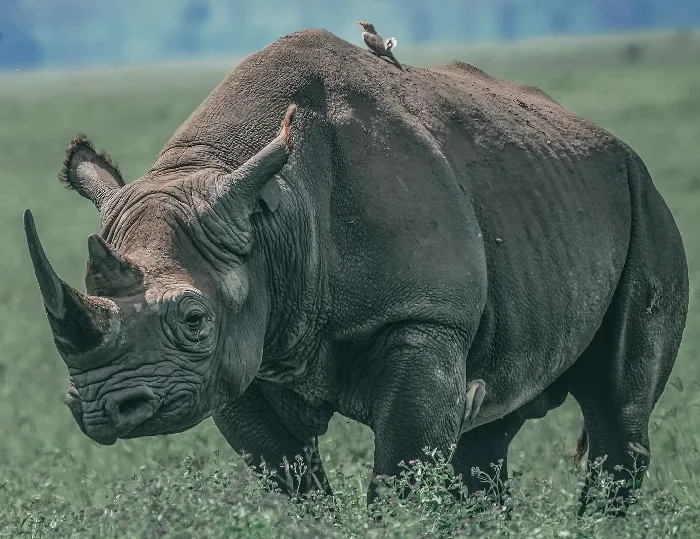
Ngorongoro Crater is one of the last places in East Africa where the critically endangered black rhinoceros lives freely and can be reliably observed. Approximately 20–30 black rhino roam the crater floor. Our guides know the resident population's territories and typical daily patterns. A morning descent combined with patience is the formula for a rhino encounter — and we've delivered this sighting for thousands of guests.

All Packages

Choose your Ngorongoro experience

Showing 8 packages
Best intro
Ngorongoro Crater floor sunrise — buffalo herd and caldera walls
🦏 Black rhino🦁 Lion🐘 Elephant
Day Trip · Crater Only

Ngorongoro Crater Day Trip

Leave Moshi or Arusha early morning, drive 3 hours to the crater rim, descend 600 m to the caldera floor for 6–7 hours of game viewing, and return by evening. Black rhino search, Big Five opportunity, and the most concentrated wildlife viewing per km² on Earth.

Days
1
Nights
0
Hours in crater
6–7 hrs
🦏 Black rhino search 🦁 Big Five 🍽 Picnic lunch on floor
Culture + wildlife
Maasai village near Ngorongoro Conservation Area
🦏 Black rhino🏘 Maasai village🦁 Big Five
Day Trip · Crater + Cultural

Crater + Maasai Cultural Day

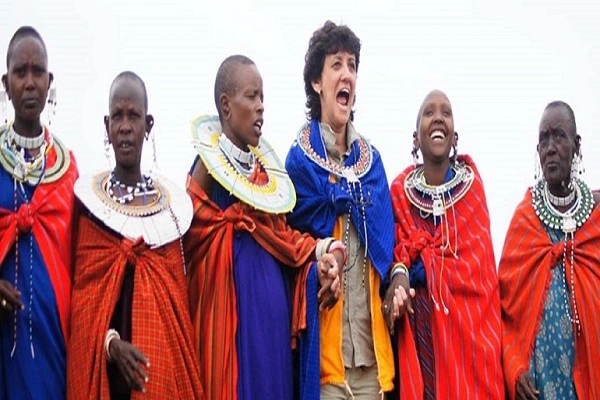
Morning crater descent for Big Five and black rhino viewing, followed by an afternoon visit to a traditional Maasai boma — the pastoral community that has co-existed with Ngorongoro's wildlife for centuries. The most culturally complete single-day experience available.

Days
1
Nights
0
Activities
2
🦏 Black rhino 🏘 Maasai boma visit 🎭 Cultural ceremony 🛡 Warrior dance
UNESCO + Heritage
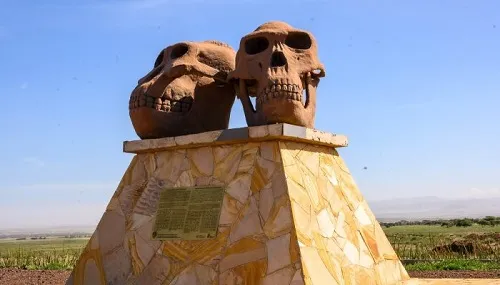
Olduvai Gorge Tanzania cradle of mankind near Ngorongoro
🦏 Big Five🦴 Olduvai Gorge🏘 Maasai culture
3 Days · Crater + Olduvai + Cultural

3-Day Crater, Olduvai & Maasai

The complete Ngorongoro Conservation Area experience — two crater descents, a guided visit to Olduvai Gorge (where Homo habilis was discovered, 1.8 million years ago), and an immersive Maasai cultural stay. Extraordinary depth for a 3-day itinerary.

Days
3
Nights
2
Crater descents
2
🦏 2× crater descents 🦴 Olduvai Gorge museum 🏘 Maasai boma overnight 🌍 UNESCO dual site
Popular
Serengeti plains leading to Ngorongoro — Tanzania's two greatest parks
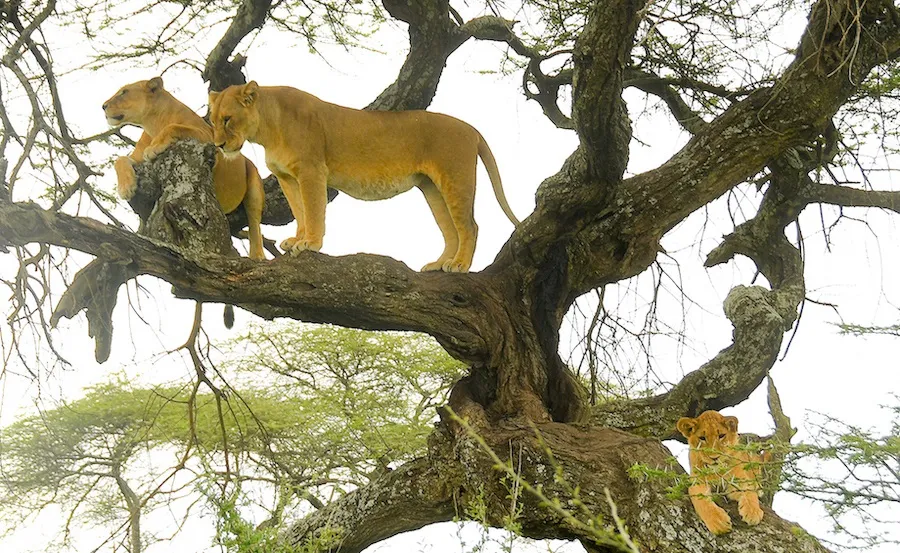
🦁 Serengeti🦏 Ngorongoro🐆 Leopard
3 Days · Serengeti + Ngorongoro

3-Day Serengeti & Ngorongoro

Tanzania's two most celebrated parks in one well-paced 3-day safari — the Serengeti's open plains and predator density followed by Ngorongoro Crater's enclosed Big Five spectacle including the black rhino. The essential Tanzania circuit.

Days
3
Nights
2
Parks
2
🦁 Serengeti Big Five 🦏 Ngorongoro rhino 🌅 Dawn Serengeti drive
Epic comboMost booked
Kilimanjaro summit and Ngorongoro Crater safari combination
🏔 Kilimanjaro🦁 Serengeti🦏 Ngorongoro
Combo · Kilimanjaro + Northern Circuit

Kilimanjaro + Safari + Ngorongoro

Summit Africa's highest peak, recover in Moshi, then descend into Ngorongoro Crater at dawn as the final act of the greatest Tanzania expedition. The Big Five awaiting you at 2,300 m below is a contrast few experiences in nature can match.

Total days
~12
Kili route
Your choice
Parks
4+
🏔 5,895m Uhuru Peak 🦏 Black rhino finale 📦 One booking
Ultimate Tanzania
Tanzania three-act trip — Kilimanjaro, Ngorongoro, Zanzibar
🏔 Kili🦏 Ngorongoro🌊 Zanzibar
Ultimate Combo · Kili + Circuit + Beach

Kili + Northern Circuit + Zanzibar

Tanzania's complete three-act expedition — summit Kilimanjaro, explore the Northern Circuit including Ngorongoro Crater, then recover on Zanzibar's Indian Ocean beach. Glacier to caldera to ocean. Unforgettable from first step to last.

Total days
~16
Destinations
3 worlds
Parks
4+
🏔 Kilimanjaro summit 🦏 Ngorongoro crater 🌊 Zanzibar beach ✈️ Internal flights
The world's greatest caldera

Ngorongoro in numbers

The scale of Ngorongoro Crater is difficult to comprehend until you stand on the rim at dawn and watch the entire enclosed world below emerge from the mist.

260 km²
Crater floor area — the world's largest intact caldera
600 m
Rim to floor elevation drop
25,000+
Large mammals permanently resident inside the crater
~30
Black rhinoceros — one of East Africa's most accessible populations
60+
Lions — among the highest density of any ecosystem in Africa
1979
Year designated UNESCO World Heritage Site
Inside the caldera

Four distinct habitat zones

The crater contains multiple ecosystems within 260 km² — each with distinct wildlife. Your guide moves between all zones during a full-day descent.

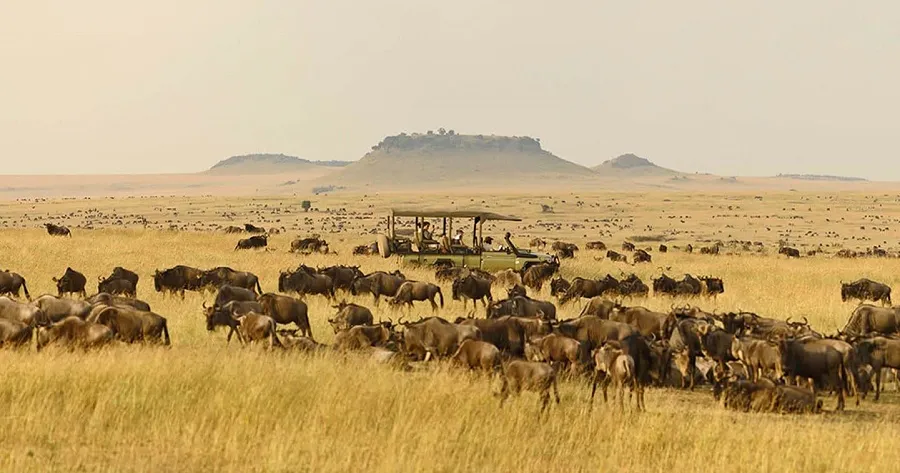
Ngorongoro short-grass plain — wildebeest and zebra
Short-Grass Plain
Open grassland — crater centre

The vast central plain where the black rhino grazes, wildebeest herds gather, and lion prides roam. Best visibility for spotting predators across open ground. The rhino's primary feeding territory.

🦏 Black rhino🦁 Lion🐃 Buffalo
Ngorongoro Crater soda lake flamingoes
Soda Lake & Swamp
Magadi Lake — crater south

The crater's alkaline soda lake attracts flamingoes, pelicans, and vast hippo pods. Gorigor Swamp is one of the most productive wildlife zones — hippos, mongoose, crowned cranes, and the critically endangered serval cat.

🦩 Flamingoes🦛 Hippo🐊 Crocodile
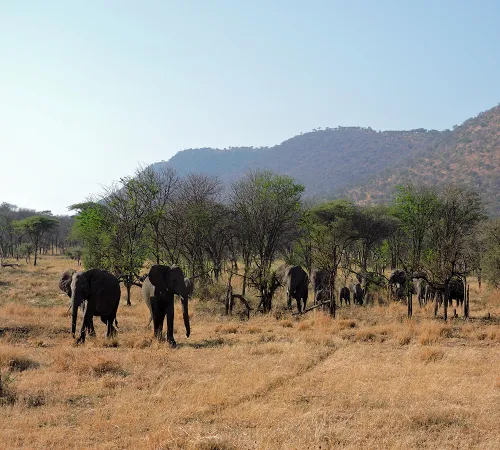
Lerai Forest elephants Ngorongoro Crater
Lerai Forest
Yellow fever tree forest — crater south

A dense fever tree forest that provides shade and shelter for elephant herds and leopard. The Lerai is one of the most reliable leopard zones on the crater floor — look up into the canopy near the forest edge.

🐆 Leopard🐘 Elephant🐒 Olive baboon
Ngorongoro Crater walls and rim road descent
Crater Wall & Rim
Highland forest — rim at 2,286 m

The crater rim sits at 2,286 m — forested, cool, and extraordinary at sunrise. The descent road offers views across the entire caldera before the floor. Elephant, buffalo, and eland roam the outer rim slopes.

🌲 Mountain forest🐘 Rim elephant🌄 Sunrise views
Who you'll see

Key species inside the crater

Ngorongoro's enclosed nature means that once animals enter the crater, most remain resident permanently — creating Africa's most reliably viewable Big Five population.

Why Ngorongoro has Africa's most accessible Big Five

The crater walls act as a natural barrier — most wildlife stays inside year-round, unlike open ecosystems where animals migrate hundreds of kilometres. A 6-hour game drive covers the entire 260 km² floor, giving your guide access to every species' territory in a single day. No other park on Earth offers this concentration in this compact an area.

Lion
60+ resident lions · Multiple prides
Seen every day
Leopard
Lerai Forest & crater wall
Regularly seen
African Elephant
Lerai Forest & rim slopes
Daily sightings
Cape Buffalo
Open plains — large herds
Seen every day
Hippo
Gorigor Swamp pools
Seen every day
Flamingo
Magadi alkaline lake
Seasonal abundance
Cheetah
Open grassland — rare in crater
Occasional sighting
Zebra
Plains — year-round resident
Seen every day
Wildebeest
Resident herd — ~7,000
Seen every day
Nile Crocodile
Gorigor Swamp rivers
Regularly seen
Bateleur Eagle
Soaring above the plain
Common sighting
Planning your visit

Best time to visit Ngorongoro

Ngorongoro is a year-round destination — the crater's enclosed ecosystem means wildlife is always present. But conditions, rhino sighting likelihood, and crowd levels vary by month.

Months Weather Wildlife visibility Black rhino chance Crowds
Jan – Feb Dry · Warm · Clear Excellent High — dry grass, open views Moderate
March Short rains begin Good Good Low
Apr – May Long rains · Lush Good — lush & green Moderate Lowest — great value
Jun – Jul Dry · Cool · Clear Excellent High High (peak)
Aug – Oct Dry · Warm · Ideal Excellent Highest — peak dry season High (peak)
November Short rains Good Moderate Low
December Dry · Warm · Festive Excellent High High (Christmas)
Always arrive the evening before your crater descent

Vehicles entering the crater before 7:00 am have a significant advantage for black rhino and predator sightings. This is only possible if you stay on the rim the night before. Every overnight package includes a rim night specifically to enable this early descent. The extra cost is always worth it — the crater at first light, with mist still rising from the floor, is one of the most extraordinary experiences in nature.

Package details

What's included

Included in all Ngorongoro packages
  • Private 4×4 safari vehicle with full pop-up roof hatch
  • TANAPA-licensed naturalist guide — entire duration
  • Ngorongoro Conservation Area entry fee
  • Ngorongoro Crater descent fee (per vehicle, per descent)
  • Accommodation for nights specified (rim camp, lodge, or camping)
  • All meals full board throughout
  • Bottled water and soft drinks in the vehicle
  • Hotel transfers from Moshi or Arusha — both directions
  • Picnic lunch on the crater floor
  • 24/7 Resilience Expedition support line
Not included
  • International flights to Tanzania
  • Tanzania tourist e-visa (~$50 USD)
  • Personal travel insurance (mandatory)
  • Alcoholic beverages (unless luxury tier)
  • Additional crater descents beyond package allocation
  • Tips for guide and camp staff
  • Zanzibar or Kilimanjaro extensions (see combo packages)
  • Personal purchases at lodges or camps
Guest stories

What guests say about Ngorongoro

★★★★★

"The moment we descended into the crater and saw the caldera wall rising on all sides — I completely understood why people call this the eighth wonder of the world. Our guide found the black rhino mother and calf within 45 minutes of entering. Nothing I'd ever seen prepared me for this."

Emma Whitfield
2-Day Crater Rim Overnight · September 2024
★★★★★

"We stayed on the crater rim the night before and descended at 7:00 am. The mist was still rising from the floor, the lion pride was on the move from the night's hunt, and the hippos were coming out of the water. In 30 years of travel, this is the single most extraordinary wildlife experience I've had."

Pierre Lafond
5-Day Full Northern Circuit · July 2024
★★★★★

"After summiting Kilimanjaro and spending three days in the Serengeti, I thought nothing could surprise me. Then our guide pulled up beside a black rhino grazing 40 metres away in the early morning light. Silence. Just the rhino breathing. The guide whispered — 'This is why Ngorongoro exists.'"

Anya Bergström
Kilimanjaro + Safari + Ngorongoro · October 2024
Common questions

Frequently asked questions

  • Ngorongoro is the world's largest intact volcanic caldera — 260 km² of enclosed ecosystem where most wildlife is permanently resident because the crater walls act as a natural barrier. You don't need to chase animals across vast distances. Within 6–7 hours you can move through all habitat zones — open grassland, alkaline lake, fever tree forest, and swamp — each with distinct species. It's the only place in Tanzania where the Big Five, including the notoriously elusive black rhinoceros, can be reliably seen in a single day.
  • Yes — though not guaranteed for every visit. Approximately 20–30 black rhino live permanently inside the crater, and our guides know their home territories and daily patterns well. The best strategy is to enter the crater early (7:00 am) when the rhino is still active on the short-grass plain. Most of our guests who spend a full day in the crater with an early descent see the black rhino. Dry season months (June–October, January–February) give the best visibility due to shorter grass.
  • Olduvai Gorge (now correctly called Oldupai Gorge) is one of the most important palaeoanthropological sites in the world — the location where Louis and Mary Leakey discovered Homo habilis and Paranthropus boisei fossils dating back 1.8–2 million years. It lies between Ngorongoro and the Serengeti, making it a natural stop on the Northern Circuit route. A 45-minute guided museum visit is included in our 3-day and longer packages. It is one of the most profound and humbling places we know.
  • A single full-day crater descent (arriving at 7:00 am, leaving at 2:00 pm or 6:00 pm) is sufficient to see the major species and appreciate the scale of the caldera. However, we always recommend arriving on the rim the night before to secure the early 7:00 am entry — this is only possible with a rim overnight. Two crater days gives you the best chance of black rhino and allows a different circuit on each day. Our 2-day Crater Rim Overnight is our most recommended Ngorongoro-focused package.
  • Yes — all Ngorongoro Conservation Area entry fees, crater descent fees, and camping/rim fees are fully included in our package prices. The Ngorongoro fee structure is complex (multiple categories billed per vehicle, per person, per descent), but we include everything. The price you see is the complete price — no additional fees are payable at the gate.
  • The crater rim has three tiers of accommodation. Budget: Simba Public Campsite on the rim edge — cold, exposed, and extraordinary value. Mid-range: several comfortable permanent camps and lodges with crater views. Luxury: the iconic Ngorongoro Crater Lodge (one of Africa's finest) and the Serena Lodge, both with unobstructed crater views from en-suite rooms. All tiers face the crater — even budget camping feels extraordinary at sunrise. Specify your tier preference in the enquiry form and we'll confirm availability and pricing.
  • Yes — and it's one of the world's most extraordinary expedition combinations. Summit Kilimanjaro (8 days recommended), rest one day in Moshi, then drive directly to the Northern Circuit safari, with Ngorongoro Crater as the final full day. The contrast between standing at 5,895 m on Kilimanjaro's glaciers and descending 600 m into a prehistoric caldera three days later is a journey through geological time that very few people experience. We handle both as a single, seamlessly coordinated booking.
  • The Ngorongoro Conservation Area (NCA) is a protected area and UNESCO World Heritage Site of 8,292 km² in the Crater Highlands of Tanzania. It is unique because it is a multi-use area — the only protected area in Africa where the Maasai people live alongside wildlife. It contains the Ngorongoro Crater, Empakaai Crater, Oldupai Gorge, and the Serengeti plains extend into its western boundary. The NCA is managed by the Ngorongoro Conservation Area Authority (NCAA), not TANAPA, and has its own fee structure. Our packages cover all applicable fees.