
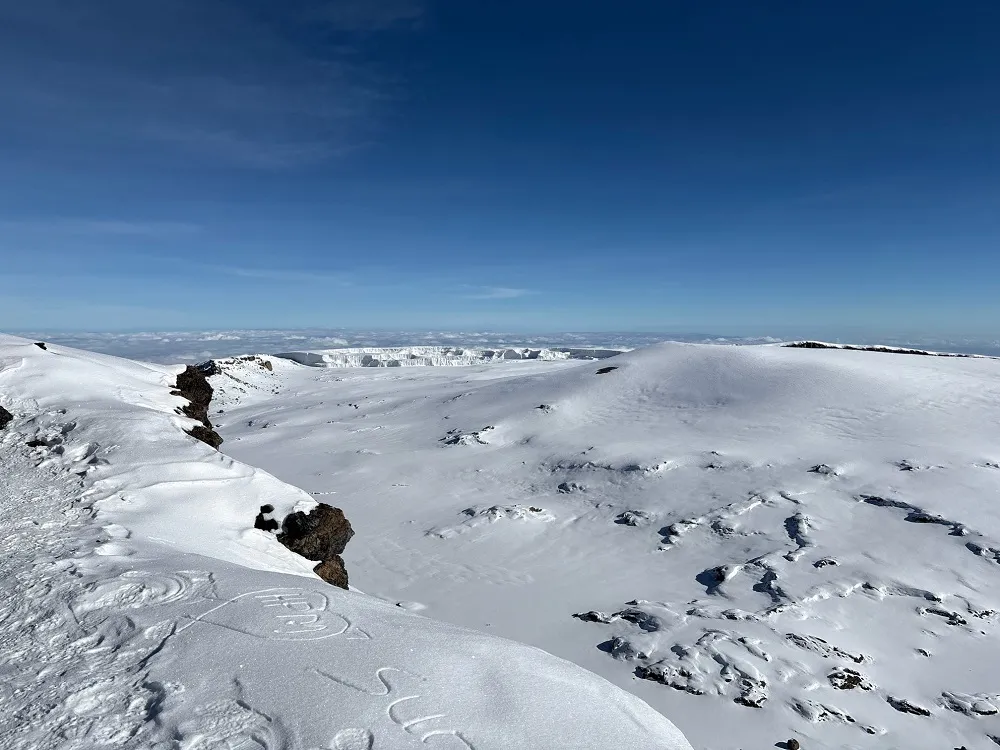
Why combine Kilimanjaro with a Tanzania safari?
Mount Kilimanjaro and Tanzania's Northern Circuit safari parks occupy the same corner of East Africa — Moshi, your Kilimanjaro base, is just 90 km from Arusha and 3 hours from the Ngorongoro Crater. No other destination on Earth lets you stand on a glacier at 5,895 m and watch a black rhinoceros graze in a prehistoric volcanic caldera within 72 hours of each other.
Kilimanjaro climbers who add a safari overwhelmingly say the contrast — glaciers above the clouds on Day 8, lions hunting at dawn on Day 11, black rhino at 7 am in the Ngorongoro Crater on Day 13 — is what makes Tanzania the greatest single-destination adventure on the planet. Book both with one operator and we handle everything: permits, vehicles, guides, lodges, and transfers.
The key question every climber faces is timing — should you safari before or after Kilimanjaro? Should you do a single day of wildlife in Arusha National Park during your rest day? How many days should you leave between summit and safari? This guide answers all of it — phase by phase, month by month — based on hundreds of combined itineraries we have operated from Moshi.
The three safari phases
Every Kilimanjaro + safari combination falls into one of three phases — before the climb, during your summit attempt, or after descent. Understanding each gives you the building blocks to design your perfect Tanzania itinerary.
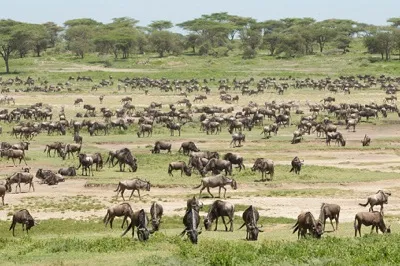
Arrive in Tanzania, head straight to the Northern Circuit parks, then transfer to Moshi for your climb. You arrive acclimatised to Tanzania's heat, motivated, and fresh. Best for: relaxed schedules where you want big adventures in sequence.
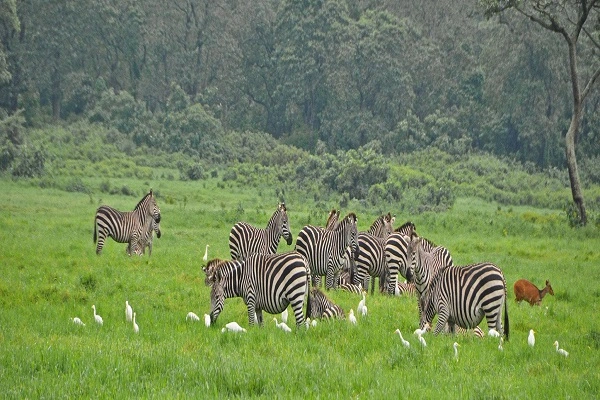
On your mandatory pre-climb or post-descent rest day in Moshi or Arusha, a half-day or full-day wildlife experience keeps the momentum. Arusha National Park (giraffe, buffalo, flamingo) is perfect — easy, close, and spectacular.
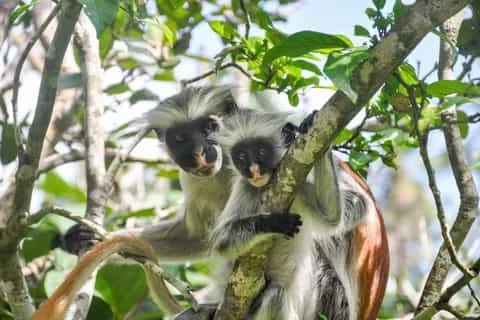
Our strongest recommendation. Descend Kilimanjaro, rest one day in Moshi, then head directly into the Northern Circuit. Your body is recovering — sitting in a 4×4 watching lions is the perfect rehabilitation. End with Zanzibar beach. Most popular structure by far.
Safari before your Kilimanjaro climb
Arriving in Tanzania a few days early for a safari before your climb is an excellent choice — especially if you are flying from Europe, North America, or Asia and have a day or two of jet lag to work through. A safari in the bush is the world's best jet lag therapy, and arriving at Moshi well-rested and wildlife-sated sets an extraordinary tone for the summit ahead.
Do NOT do any strenuous physical activity in the 48 hours immediately before your climb start day. A pre-climb safari should be relaxed game drives — no hiking, no cycling, no intensive activity. Your legs need to be fresh for the first day on the mountain. We always schedule your pre-climb safari at least 2 days before your Kilimanjaro departure.
Best parks for a pre-climb safari (2–4 days)
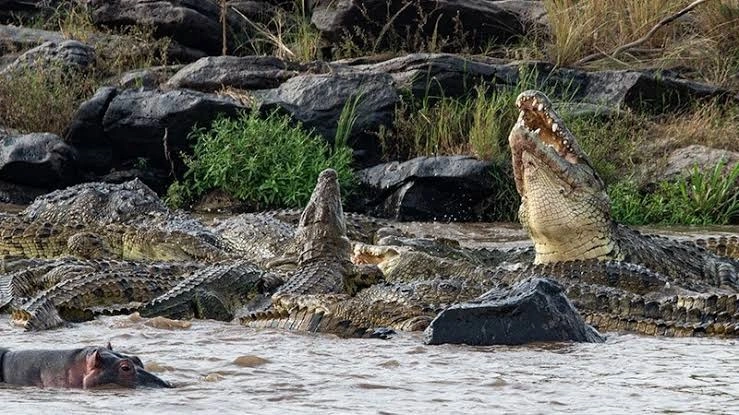
Serengeti National Park
The world's greatest wildlife spectacle — year-round Big Five, Great Migration (seasonal), and vast open savanna. A 2-night Serengeti before Kilimanjaro gives you unforgettable context: the mountain's snows visible on clear mornings from Seronera.
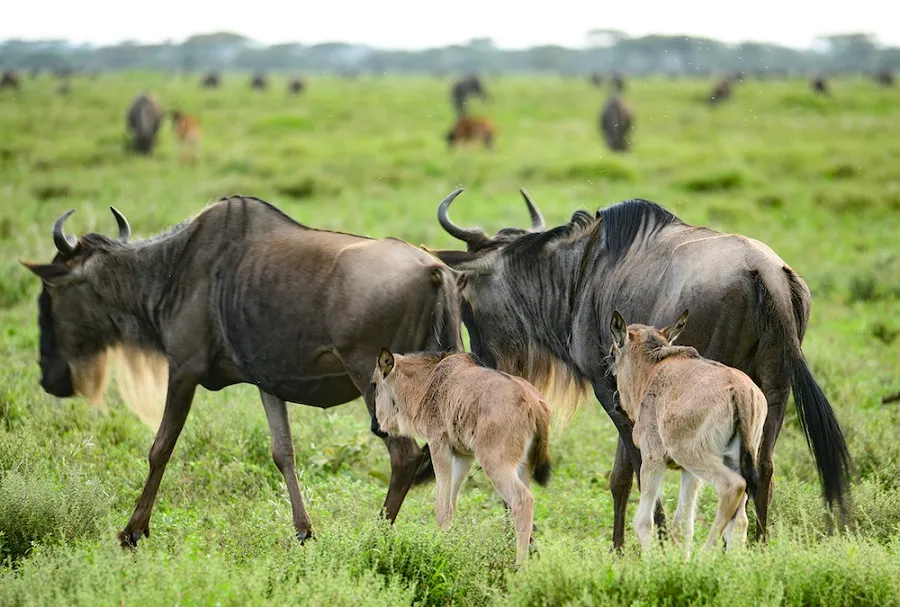
Ngorongoro Crater
A single full day in the world's largest intact caldera — Big Five including black rhino, lion prides, flamingo lake, and 25,000 resident mammals in 260 km². The most efficient wildlife day on Earth. Perfect as a 1-day pre-climb add-on from Karatu or Arusha.
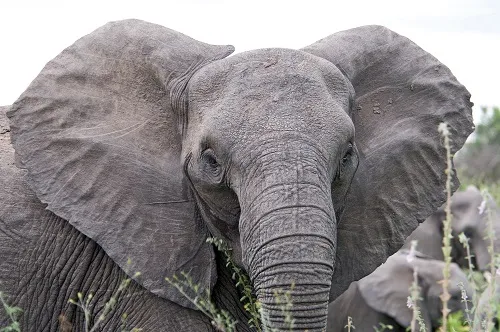
Tarangire National Park
Closest major park to Kilimanjaro Airport — just 90 minutes from JRO. Ancient baobab trees, the highest elephant concentration in East Africa in dry season, lion prides, and cheetah. Perfect as a first-day arrival safari: land at 11 am, game drive by 2 pm.
Pre-climb vs Post-climb safari — which is better?
| Factor | Safari Before Kilimanjaro | Safari After Kilimanjaro |
|---|---|---|
| Physical condition | Fresh legs — fully energised | Tired but recovering |
| Mental state | Pre-climb nerves possible | Euphoric — best mindset for safari |
| Enjoying game drives | Good — may be conserving energy | Exceptional — fully present, no worries |
| Risk of illness | Low — pre-climb health intact | Very low — already summit-proven |
| Schedule flexibility | Fixed by climb start date | Flexible — descent timing variable |
| Travel flow | Safari → climb → fly home | Climb → safari → Zanzibar → fly home |
| Recommended for | Tight schedules, first-time visitors to Tanzania | Most climbers — our strong recommendation |
Wildlife during your Kilimanjaro trip
Your Kilimanjaro itinerary typically includes a rest day in Moshi or Arusha before and/or after your summit attempt. These days are gold — used strategically, they become some of the best wildlife experiences of your trip, require almost no physical exertion, and keep your Tanzania adventure continuous from landing to departure.
Arusha National Park — the perfect rest-day safari
Just 25 km from Arusha (45 minutes from Moshi), Arusha National Park is Tanzania's most accessible wilderness and the ideal rest-day wildlife experience for Kilimanjaro climbers. It requires no long drive, no complex logistics, and no physical exertion — yet delivers giraffe, buffalo, zebra, warthog, colobus monkeys, hippos in the alkaline Momela Lakes, and hundreds of flamingoes, all with Mount Kilimanjaro dominating the horizon on clear days.
On a clear morning at Momela Lakes in Arusha National Park, you can see the complete Kilimanjaro massif — all five peaks — from ground level, 35 km away. If you summit on Day 8 and rest in Arusha on Day 9, this is a genuinely emotional experience: seeing the summit you stood on the day before from below, surrounded by flamingoes. We build this into every rest-day itinerary.
Choose your Kilimanjaro route — and plan safari days around it
The finest Kilimanjaro route — scenic western approach through diverse ecosystems from rainforest to alpine desert, excellent acclimatisation with two summit approach options. The 8-day variant gives optimal acclimatisation for the highest summit success rate.
The "Whiskey Route" — demanding, scenic, and beloved. Superb views from the Shira Plateau and Barranco Wall, good acclimatisation, and a dramatic summit push via Stella Point. The 7-day is the most-booked Kilimanjaro route globally.
A tighter version of the classic Lemosho with one fewer acclimatisation day. Slightly lower success rate than the 8-day, but excellent scenery and a good choice for experienced trekkers wanting to leave more days for the safari.
The "Coca-Cola Route" — the original Kilimanjaro path with mountain huts instead of tents. Budget-friendly and comfortable, but with the lowest summit success rate of all routes due to rapid ascent profile. Best for those with prior high-altitude experience.
The only route approaching Kilimanjaro from the north (Kenya side). Remote, uncrowded, and excellent for wildlife spotting on the mountain — elephant and buffalo are frequently seen in the lower forests on the Rongai approach.
The most direct and technically demanding Kilimanjaro route — steep from Day 1, fast ascent, and limited acclimatisation. Only recommended for experienced high-altitude trekkers. The steep rainforest approach is spectacular and virtually deserted.
Rest day activities in Moshi between climb and safari
Book a 90-minute deep tissue massage in Moshi on descent day. Your legs will thank you — and you'll be mobile enough for Day 1 game drives. Several excellent spas operate near the Kilimanjaro hotel strip.
After 7–9 days eating freeze-dried mountain food, your first meal in Moshi is legendary. Eat slowly, rehydrate with electrolytes and coconut water, and prioritise protein for muscle recovery before the safari.
Your Kilimanjaro kit and your safari kit are different. Rest day is the time to reorganise — summit layers go into storage at your hotel, and your lightweight safari clothes and binoculars come forward. We hold summit kit at our Moshi office.
Perfect for Day 2 of your rest (not Day 1 — rest first). A gentle half-day game drive in Arusha National Park from Moshi is ideal: 45-minute drive, giraffe and buffalo, flamingoes at Momela Lakes, and dramatic Kilimanjaro views.
We always schedule a 30-minute pre-safari briefing with your TANAPA-licensed safari guide on rest day. This is when you confirm your priorities (black rhino? cheetah? photography focus?) and your guide customises the circuit accordingly.
Moshi itself is a vibrant, friendly highland town with excellent coffee shops (try Kilimanjaro-grown arabica), a good local market, the Marangu cultural centre, and several restaurants serving the best nyama choma (grilled meat) in northern Tanzania.
Safari after your Kilimanjaro summit
This is the structure we recommend to almost every Kilimanjaro climber — summit the mountain, rest in Moshi, then head into the Northern Circuit for 3–7 days of world-class safari. Your mind is clear, your achievement is behind you, and the contrast between standing on Africa's highest peak and watching a black rhinoceros graze in a prehistoric caldera three days later is an experience that defines Tanzania.
After Kilimanjaro, you have no more pre-climb anxiety. You can eat whatever you want in the vehicle, stay out as long as the animals demand, sleep fully without worrying about the 2 am summit push. Every single one of our guides reports that post-climb safari guests are the most engaged, most joyful, and most observant of all safari travellers. The achievement behind you makes the wildlife in front of you feel like a reward — because it is.
Post-climb safari packages — choose your adventure
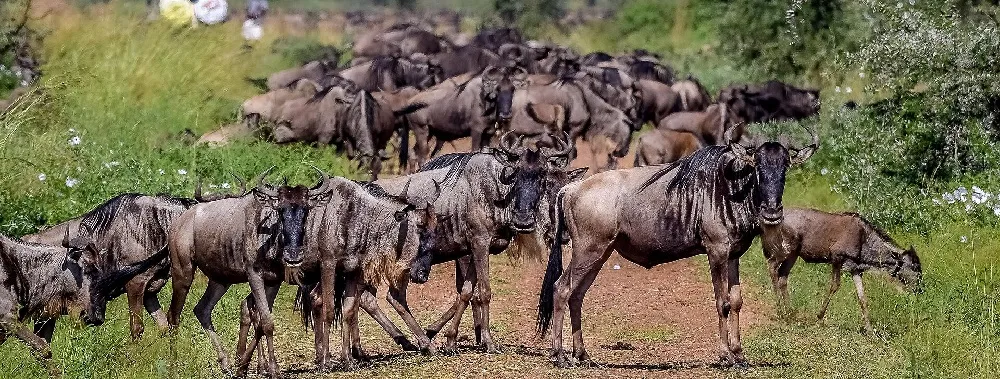
Serengeti + Ngorongoro Crater
The definitive post-Kilimanjaro safari — two nights in the Serengeti for the big cats and open plains spectacle, then the Ngorongoro Crater descent with black rhino, all within 72 hours of descending the mountain. 95% of our climbers who add a safari choose this combination.
Full Northern Circuit — All 4 Parks
The complete post-Kilimanjaro safari experience — Tarangire elephant herds, Lake Manyara tree-climbing lions, two full Serengeti nights with dawn-to-dusk game drives, and the Ngorongoro Crater finale with black rhino. Tanzania's four greatest parks in five days.
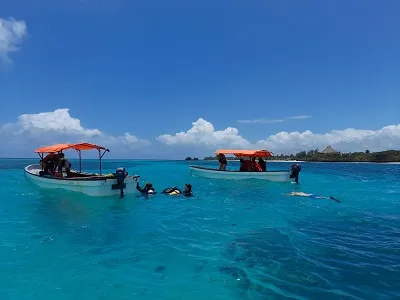
Northern Circuit + Zanzibar Beach
The complete Tanzania trilogy — summit Kilimanjaro, safari the Northern Circuit, recover on Zanzibar's Indian Ocean beach. Glacier at 5,895 m to turquoise ocean at sea level via the world's greatest wildlife corridor. The definitive Tanzania expedition.
Physical recovery: is your body ready for safari after Kilimanjaro?
The single most common question we receive: "Will I be too tired to enjoy a safari after climbing?" The answer is almost always no — and here is why. A safari requires zero physical exertion. You sit in a comfortable pop-up roof 4×4 with reclining seats, driven by your guide. The vehicle does all the work. The excitement of seeing a lion kill, a black rhino at 40 metres, or a cheetah stalking — that overrides any leg fatigue within seconds of entering the park.
No safari on the day you descend Kilimanjaro. Shower, eat, sleep. Your body has just spent 7–9 days above 3,800 m — it needs 24 hours of complete recovery before any travel or activity. We always schedule a full rest night in Moshi between descent and safari departure.
By Day 2 after descent, most climbers feel 70–80% recovered. A gentle half-day at Arusha National Park is the perfect re-introduction to Tanzania's wildlife — close, easy, and deeply rewarding. No need for early starts on this day.
By Day 3 after descent, the vast majority of climbers are fully ready for an early 6 am departure to the Northern Circuit. Safari game drives are effortless recovery — seated comfort, fresh air, extraordinary scenery. Many climbers say the safari felt better than ever because of the contrast with the mountain.
If your schedule allows, adding 3–4 nights in Zanzibar after the safari is the perfect physical and mental recovery finale. Zero activity required — the Indian Ocean, white sand, and fresh seafood is all the medicine you need after summiting Africa's highest peak.
Kilimanjaro + Safari combo packages
Every package below is fully private, all-inclusive, and operated by one team from Moshi. One booking covers your Kilimanjaro climb, rest days, safari, and Zanzibar if included. Park fees, accommodation, meals, transfers, and your TANAPA-licensed guide are all included.
Kilimanjaro + 3-Day Serengeti & Ngorongoro
The most efficient combination — Machame 7-day route, 1 rest day in Moshi, then the classic Serengeti + Ngorongoro 3-day safari finishing at the crater. 12 total days in Tanzania.
Kilimanjaro + Full Northern Circuit (5 Days)
The most popular Kilimanjaro + safari combination — Lemosho 8-day route for maximum success rate, 2 rest days in Moshi, then the complete 5-day Northern Circuit with all four parks. The definitive Tanzania expedition.
Kilimanjaro + Full Circuit + Zanzibar
The complete Tanzania trilogy — summit Africa's highest peak, safari all four Northern Circuit parks, and recover on Zanzibar's Indian Ocean. Glacier to caldera to ocean. The trip of a lifetime.
Month-by-month planning guide
Both Kilimanjaro and Tanzania's safari parks have distinct seasons. Use this monthly guide to find the combination that works for your dates, wildlife priorities, and budget.
Top pick: June–July — perfect dry-season Kilimanjaro conditions + peak safari season (Grumeti/Mara River crossings + excellent black rhino visibility). A 15-day combo in June or July is the finest Tanzania expedition possible. Second choice: January–February — excellent Kilimanjaro visibility + black rhino peak + calving season action in Ndutu. Warm but extraordinary.
Packing for both — Kilimanjaro and safari
The biggest logistical challenge of a Kilimanjaro + safari combination is packing for two completely different environments. Kilimanjaro requires heavy-duty cold-weather gear; safari requires lightweight, breathable clothing in neutral colours. Here is how to manage both without overpacking.
Kilimanjaro kit — essential items
Safari kit — what changes after the climb
Frequently asked questions
-
After, in most cases. After your summit, your body is recovering (sitting in a 4×4 is perfect recovery activity), your mind is clear with no pre-climb anxiety, and the contrast between the mountain and the wildlife is at its most dramatic. Over 80% of our climbers who add a safari choose the post-climb option. That said, a pre-climb safari is excellent if your schedule requires it — just avoid strenuous activity in the 48 hours before your climb begins.
-
Minimum 1 full rest night; 2 nights is ideal. On descent day, your only job is to shower, eat, and sleep. Day 2 (first rest day), you'll feel significantly better — good enough for a gentle half-day at Arusha National Park or a massage and Moshi exploration. By Day 3, almost all climbers are ready and genuinely excited to start the safari. We always recommend 2 rest nights in our Northern Circuit combo packages for the best experience.
-
Lemosho 8-day for maximum success; Machame 7-day for balanced time. The Lemosho 8-day has the highest summit success rate (~95%) and is our top recommendation for any combo trip — a failed summit attempt is deeply disappointing and wastes your climbing days. If total trip length is a concern, Machame 7-day is a good compromise with ~85% success rate. Avoid the 5-day Marangu for combo trips — the low success rate and rapid descent schedule leaves less flexibility for safari planning.
-
From Arusha National Park, yes — very clearly. Momela Lakes in Arusha National Park offers the most dramatic ground-level views of the complete Kilimanjaro massif. From the Serengeti, the mountain is not visible (330 km away). From Ngorongoro Crater rim, you can sometimes see Kilimanjaro's silhouette on the eastern horizon on very clear days. The best views are actually on the drive from Moshi to Arusha — stop at any point on the B1 highway for extraordinary close-up views of the southern ice fields on clear mornings.
-
Our packages start from $2,800 per person for Kilimanjaro (Machame 7-day) + 3-day Serengeti & Ngorongoro safari. The full 15-day experience (Lemosho 8-day + 5-day Northern Circuit) starts from $3,800 per person. The ultimate trilogy (Kilimanjaro + full circuit + Zanzibar) starts from $5,200 per person. All prices are per person based on double occupancy and include all park fees, accommodation, meals, guide, and transfers. Solo traveller supplements apply.
-
Absolutely yes — a safari is the perfect post-Kilimanjaro activity. A game drive requires zero physical exertion. You sit in a comfortable 4×4 vehicle on padded seats with the roof open. The excitement of wildlife sightings overrides any residual fatigue within minutes of entering the park. The only concern is altitude — after spending days above 4,000 m, your body will feel the return to sea-level pressure as a genuine boost. Most climbers feel better on safari Day 1 than they expected. The rest night in Moshi between descent and safari is the key safeguard we always include.
-
Yes — travel insurance is mandatory for Kilimanjaro and strongly recommended for safari. For Kilimanjaro specifically, you need a policy that covers high-altitude trekking to 5,895 m and emergency evacuation (helicopter if required). Standard travel insurance rarely covers this — confirm your policy explicitly covers "high-altitude trekking above 5,000 m." For safari, standard travel insurance is sufficient. We can provide recommended insurers at enquiry stage.
-
Technically yes, but we strongly advise against it. With one operator, your climb and safari are coordinated as a single itinerary — if your descent is delayed by weather or altitude sickness, your safari start date can be adjusted immediately with no penalties or rebooking fees. With two separate operators, a delayed Kilimanjaro descent creates difficult, expensive rebooking situations with your safari company. The seamless handover between mountain team and safari guide — all from the same Moshi base — is one of the most valued aspects of our combo packages.
What climbers say about adding the safari
"Standing on Uhuru Peak at dawn was the greatest physical achievement of my life. Then, 60 hours later, I was sitting 40 metres from a black rhinoceros mother and calf in the Ngorongoro Crater. Both experiences made each other better — the mountain made the safari feel earned, and the safari made the mountain feel celebrated."
"I was worried I'd be too exhausted for the safari after the climb. After one rest day in Moshi, I was genuinely excited. On Day 1 in the Serengeti, we watched a cheetah hunt — and I was more alert, more present, and more overwhelmed than I've ever been on any previous safari. The contrast with the mountain makes everything more vivid."
"We did Kilimanjaro, then the full Northern Circuit, then four nights in Zanzibar. It was eighteen days of escalating wonder. Resilience Expedition handled everything — one point of contact, perfect coordination, zero stress. When we landed back in London, my partner turned to me and said 'nothing will ever top this.' She's right."
Ready to plan your Kilimanjaro safari?
Tell us your dates and preferences. We'll build you a personalised itinerary — climb route, safari parks, accommodation tier, and Zanzibar extension — within 24 hours. No payment now.


