Earth's greatest wildlife spectacle — 1.5 million wildebeest, 200,000 zebra and 500,000
gazelle circling the Serengeti ecosystem in an endless cycle of life. Complete 2026 and 2027 migration guide —
month by month, camp by camp, crossing by crossing.
🦓 1.5+ million wildebeest🌊 Mara River crossings Jul–Oct🦁 Big Five year-round🐊 Nile crocodiles at crossings📅 Year-round migration event
The Great Migration is the largest terrestrial animal movement on Earth a continuous,
year-round, clockwise circuit of 1.5 million wildebeest, 200,000 zebra, and 500,000 Thomson's gazelle through
the Serengeti-Mara ecosystem in Tanzania and Kenya. It is not a single event but a living spectacle that
changes every month.
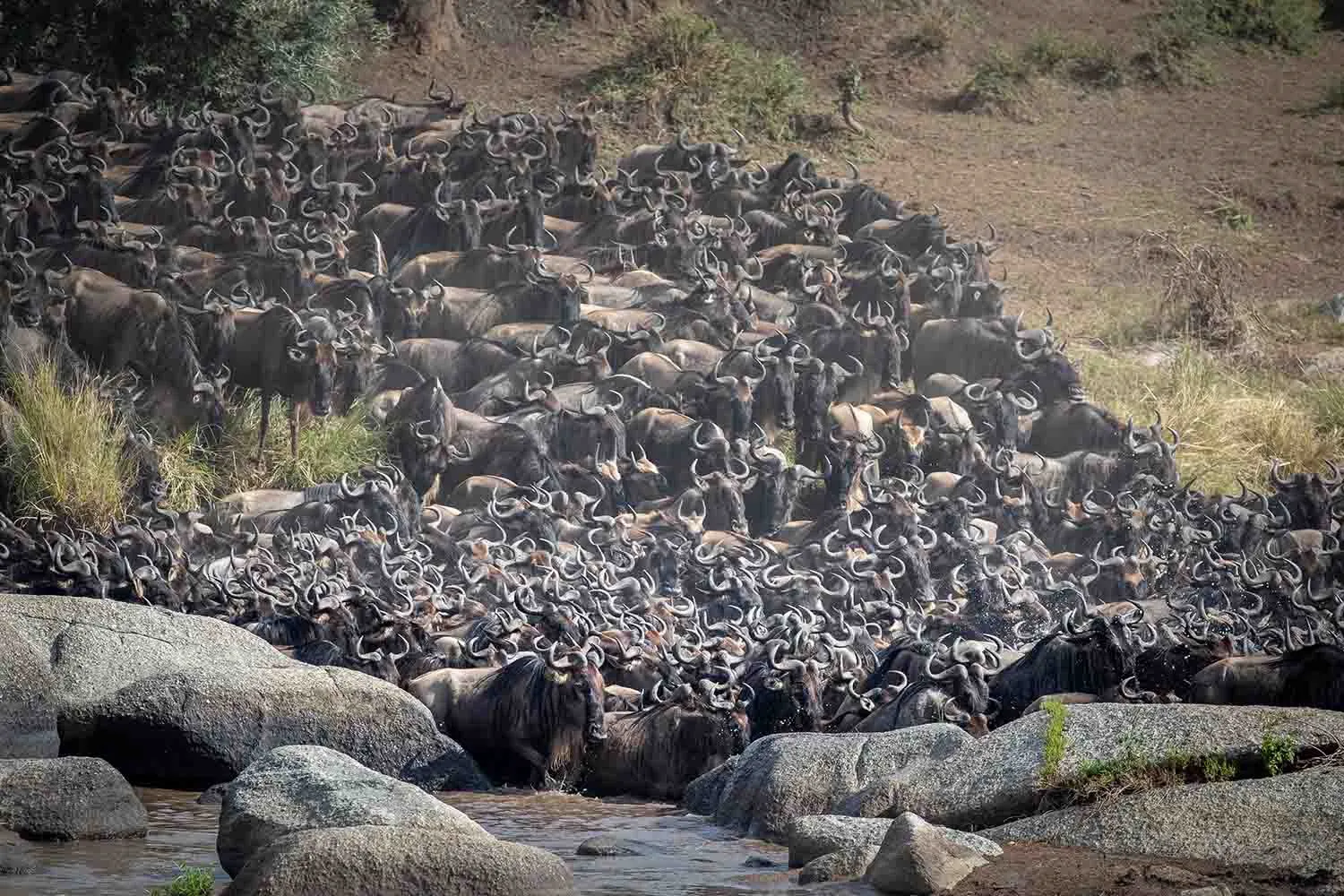
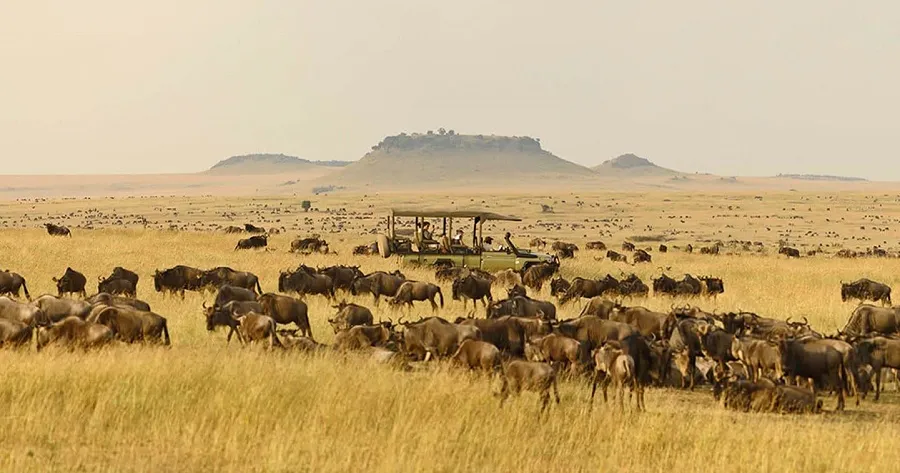
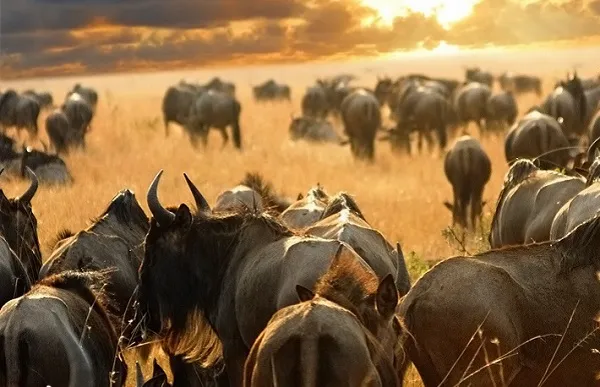
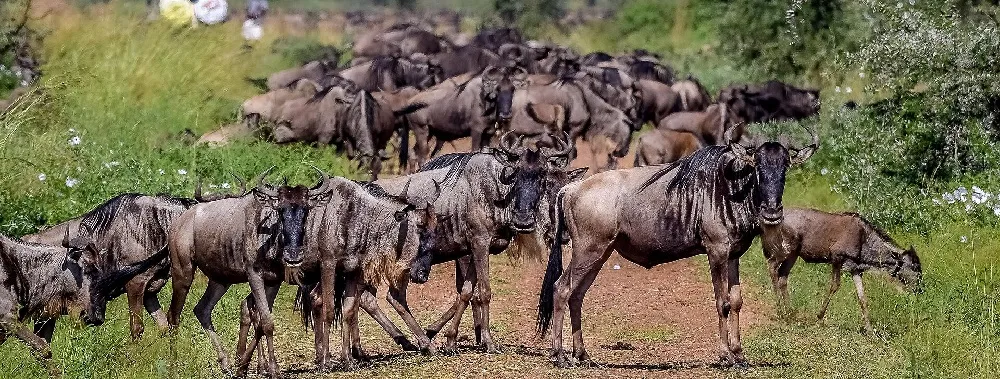
The Great Wildebeest Migration is the largest land animal movement on Earth, taking place across the Serengeti–Mara ecosystem in Tanzania and Kenya. Each year, more than 1.5 million wildebeest, alongside hundreds of thousands of zebras and Thomson’s gazelles, move in a continuous clockwise cycle in search of fresh grazing and water. This extraordinary natural phenomenon is one of the most iconic safari experiences in Africa and a major highlight for wildlife tourism in Tanzania.
Unlike a single seasonal event, the Great Migration is a year-round process that shifts constantly across different regions of the Serengeti. From calving season in the southern plains to river crossings in the north, each phase offers unique wildlife encounters and predator interactions. For you planning a Tanzania safari in 2026 or 2027, understanding this living cycle is essential for choosing the best time and location to witness the migration at its most dramatic moments.
Unlike many wildlife events that happen on a predictable schedule, the migration is driven by rainfall and
grass availability meaning it broadly follows the same annual pattern but vary by 2–4 weeks in either
direction in any given year. Understanding the migration's phases and which Serengeti zone the herds are
in each month is the key to planning a successful safari in 2026 or 2027.
The four migration phases
The migration follows four broad phases: the calving season (January–March) in the
southern Serengeti and Ndutu; the northward migration (April–June) through the western
corridor and central Serengeti; the Mara River crossings (July–October) in the northern
Serengeti; and the return south (November–December) back toward Ndutu. Every phase offers
extraordinary wildlife viewing the herds are always somewhere spectacular in the Serengeti.
🦓
The migration is a year-round event — every month is spectacular
Contrary to popular belief, there is no "wrong" time to visit the Serengeti. The migration is always
moving — and predators (lion, cheetah, leopard, hyena, wild dog) follow the herds year-round. In every
month, somewhere in the Serengeti, the greatest show on Earth is unfolding.
Section 02 — Migration Phases
The four migration phases — what happens and when
Each phase of the migration offers a completely different wildlife experience. Understanding
what drives the herds in each month helps you choose the right time for your 2026 or 2027 safari.
The four migration phases in the Serengeti describe how the Great Wildebeest Migration changes throughout the year, offering completely different safari experiences depending on the season. Each phase is driven by rainfall and fresh grazing, influencing when and where the herds move across the Serengeti–Mara ecosystem. For you planning a safari in 2026 or 2027, understanding these phases is essential for choosing the best time to witness calving, river crossings, and predator interactions.
From the calving season in the southern plains to the dramatic river crossings in the north, each phase of the migration delivers unique wildlife encounters and photographic opportunities. Between these key events, the herds travel through central and western Serengeti in search of fresh pasture, followed by their return journey south to complete the cycle. This natural rhythm makes the Serengeti migration one of the most dynamic and predictable wildlife spectacles in Africa.
🐣
Phase 1 · January – March
Calving Season — The Circle of Life
January · February · March
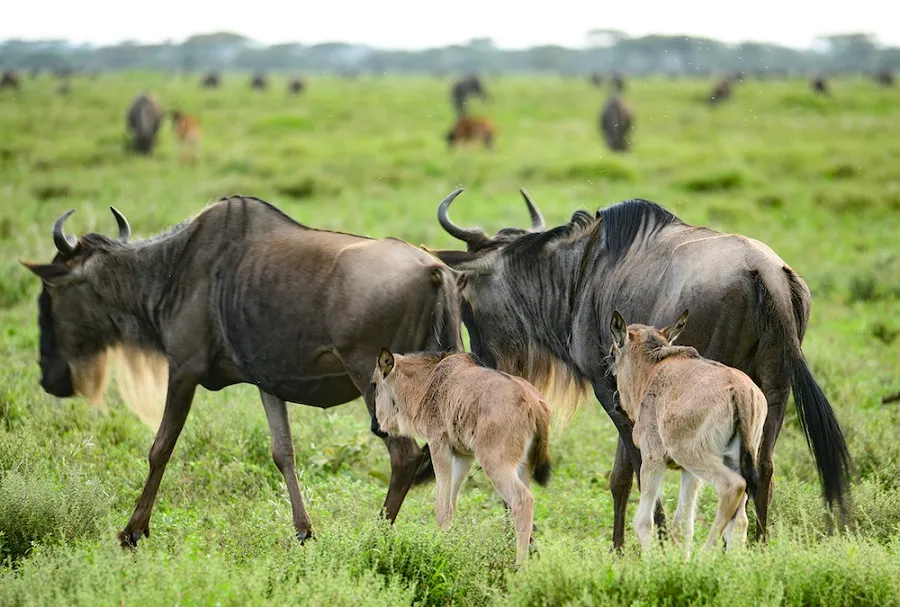
The most tender and dramatic phase — approximately 500,000 calves are born in a
2–3 week explosion of new life in the southern Serengeti and Ndutu area. The short rains have greened
the nutrient-rich volcanic grasslands, and the wildebeest return to give birth. Predators converge —
lions, cheetah, leopard, hyena, and wild dog feast. 8,000 calves are born per day at peak calving.
This is also Tanzania's best month for cheetah sightings anywhere.
8,000 calves born per day at peakBest cheetah viewing in East AfricaLions hunting newborn calvesNdutu lodge at its finest seasonShort rains — green and photogenicRelatively fewer tourists than July–Aug
📍 Southern Serengeti · Ndutu · NgorongoroCalving Season
🚶
Phase 2 · April – June
Northward Migration — The Great Trek Begins
April · May · June
As the southern grass dries, 1.5 million animals begin their northward trek — a
movement so large it be tracked from space. The western corridor (Grumeti River area) becomes the
focus in May–June, with crocodiles and hippos in the Grumeti River offering a preview of the Mara
drama to come. The Serengeti plains appear to move as columns of wildebeest stretch to the horizon.
This is one of the most visually overwhelming periods of the entire migration.
Columns of wildebeest to the horizonGrumeti River crocodile action (May–Jun)Long grass — green and dramaticExcellent lion hunting sightingsApril rains — lush and atmosphericLower tourist numbers, good value
📍 Central & Western Serengeti · Grumeti RiverNorthward Trek
🌊
Phase 3 · July – October ★ PEAK
Mara River Crossings — Earth's Greatest Spectacle
July · August · September · October
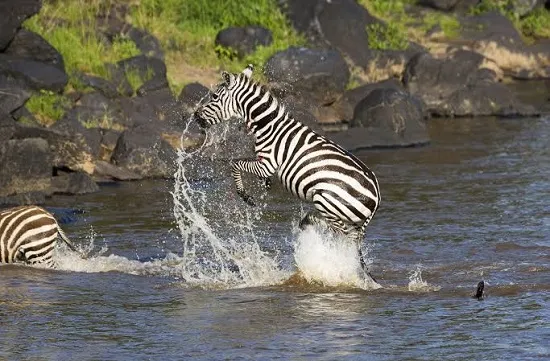
The climax of the Great Migration — the moment that defines this spectacle
worldwide. Hundreds of thousands of wildebeest gather at the Mara River in the northern Serengeti,
testing the water with mounting anxiety, before a single animal triggers a stampede and thousands pour
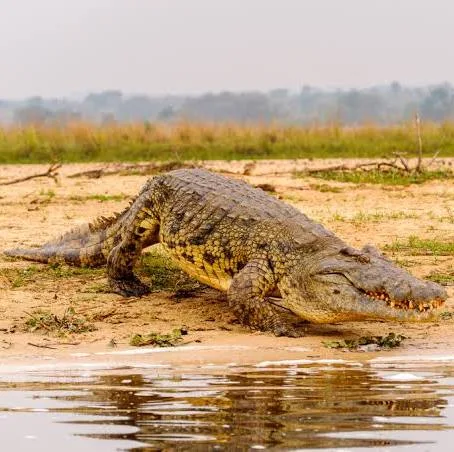
into the crocodile-filled river. Nile crocodiles up to 5 metres long wait in the shallows. Lion prides
wait on the far bank. The noise, the dust, the drama — nothing in wildlife compares. Multiple
crossings occur on most days from late July to October.
Mara River crossings — daily (late Jul–Oct)Giant Nile crocodiles (up to 5m) huntingLion prides on both banksDry season — excellent visibilityPeak tourism but worth every visitCamps positioned at crossing points
📍 Northern Serengeti · Mara River · Lamai Wedge★ Peak Crossings
↩️
Phase 4 · November – December
Return South — The Cycle Completes
November · December
As the short rains begin in November, the herds begin their return migration south
— crossing back into Tanzania from the Maasai Mara and moving through the eastern Serengeti. The
central Serengeti plains come alive again as columns of animals move south. By December, the first
arrivals reach Ndutu in the southern Serengeti, beginning the cycle anew. November–December is an
underrated month — lower prices, fewer visitors, and dramatic landscape photography with storm light.
Return migration through eastern SerengetiShort rains bring dramatic storm lightHerds reaching Ndutu by DecemberLower prices — excellent valueDramatic photography conditionsFirst calves possible late November
📍 Eastern Serengeti · Central Plains · Ndutu by DecReturn South
The migration follows a broadly clockwise circuit through the Serengeti-Mara ecosystem each
year. This bar chart shows where the herds are concentrated in each month helping you choose the right zone
for your 2026 or 2027 safari.
The annual migration circuit in the Serengeti–Mara ecosystem follows a predictable clockwise movement that changes location throughout the year. From January to March, the herds concentrate in the southern Serengeti and Ndutu plains for calving season, before gradually moving north through the central and western regions between April and June. This continuous movement is driven by rainfall and fresh grazing, making the Serengeti one of the most dynamic wildlife systems in Africa.
Between July and October, the migration reaches the northern Serengeti and Maasai Mara, where dramatic river crossings take place as herds navigate the Mara River. After this peak season, the animals begin moving south again, completing the cycle for both 2026 and 2027. Understanding this month-by-month migration circuit is essential for choosing the right safari zone and maximizing your chances of witnessing key wildlife events during your Tanzania safari.
Where are the wildebeest? — Monthly Migration Zones
Jan
Feb
Mar
Apr
May
Jun
Jul
Aug
Sep
Oct
Nov
Dec
Calving Season
(Ndutu/South)Western CorridorCentral/North MovingMara River CrossingsReturn South
Section 04 — Month-by-Month Guide
Serengeti migration guide 2026 & 2027
The migration broadly follows the same annual cycle in both 2026 and 2027 the exact timing
may shift by 2–4 weeks based on rainfall patterns. Use this guide to plan your safari in either year.
The Serengeti migration guide for 2026 and 2027 helps you to understand where the wildebeest herds are likely to be each month, making it easier to choose the best travel dates for a Tanzania safari. From January to March, the herds gather in the southern plains for calving season, while April to June sees them moving toward the central and western Serengeti. By July to October, the northern Serengeti becomes the focus as thousands of animals attempt the dramatic Mara River crossings.
Although the Great Migration follows a predictable yearly pattern, rainfall influence the exact movement of the herds by several weeks. This month-by-month Serengeti migration guide for 2026 and 2027 is essential for planning the best safari experience, whether you want to see calving season, predator action, or river crossings. Understanding the seasonal route allows visitors to select the right safari package, accommodation zone, and travel window for the most rewarding wildlife encounters.
January 2026
Calving
📍 Southern Serengeti · Ndutu
🐣 Early calving begins — 8,000 calves/day
First wildebeest calves of 2026 arriving
Cheetah viewing at annual best
Lion and hyena feeding on newborns
Short rains — green, photogenic
Ndutu area: incredible concentrations
★★★★★
Prime — Calving
February 2026
Calving
📍 Ndutu · Southern Serengeti
🐣 Peak calving month — finest wildlife viewing
Peak calving — up to 8,000 calves per day
Best month in year for cheetah sightings
All major predators hunting calves
Ndutu: wildebeest carpet the plains
Dry conditions — excellent roads
★★★★★
★ Best calving month
March 2026
Calving / Moving
📍 Southern & Central Serengeti
🐣 Calves maturing, herds beginning to disperse
Calving winding down — calves now mobile
Herds beginning northward movement
Central Serengeti filling with animals
Good rains — lush landscapes
Excellent value — lower crowds
★★★★★
Excellent
April 2026
Moving North
📍 Central Serengeti · Long Grass
🚶 Long rains — dramatic landscape movement
Herds moving through central Serengeti
Heavy rains — some tracks impassable
Dramatic skies — incredible photography
Lower visitor numbers and prices
Still excellent lion and elephant viewing
★★★★★
Good — Wet season
May 2026
Western Corridor
📍 Western Corridor · Grumeti River
🐊 Grumeti River crossings — preview of Mara drama
Herds reaching Grumeti River — crocodiles waiting
Rains easing through May
Spectacular river crossing action
Excellent predator activity
Low prices — uncrowded parks
★★★★★
Good — Crossings begin
June 2026
Moving North
📍 Northwestern Serengeti · Approaching Mara
🚶 Dry season opens — herds heading north fast
Dry season fully established
Massive columns moving NW Serengeti
Advance of the Mara approaching
Excellent game viewing, good visibility
Good value before peak July pricing
★★★★★
Excellent
July 2026
★ Mara Crossings
📍 Northern Serengeti · Mara River
🌊 Mara River crossings begin — peak safari season
Mara River crossings from mid-July
Enormous crocodile ambushes
Lions and cheetah on both banks
Dry, clear skies — best visibility
Book camps 9–12 months ahead
★★★★★
★ Prime — Crossings
August 2026
★ Peak Crossings
📍 Northern Serengeti · Lamai Wedge
🌊 PEAK — most frequent and dramatic crossings
Peak frequency of Mara River crossings
Multiple crossings daily possible
Perfect dry conditions and visibility
Most dramatic predator action of year
Highest prices — worth every penny
★★★★★
★ PEAK of 2026
September 2026
Mara Crossings
📍 Northern Serengeti · Mara River
🌊 Crossings continue — excellent conditions
Mara crossings frequent — still outstanding
Some herds beginning to linger in Maasai Mara (Kenya)
Clearest skies of the year
Fewer tourists than August
Slightly lower prices — great value
★★★★★
★ Excellent 2026
October 2026
Late Crossings
📍 Northern Serengeti / Maasai Mara
🌊 Late crossings — some herds returning south
Late Mara crossings (often erratic)
Some herds already heading south
Mixed conditions — still excellent
Fewer tourists, lower prices
Good value window with crossing chances
★★★★★
Good — Late crossings
November 2026
Return South
📍 Eastern & Central Serengeti
↩️ Return migration — short rains arrive
Herds moving south through eastern Serengeti
Short rains begin — dramatic storm photography
Excellent predator activity continues
Very low prices — great value
Green, atmospheric conditions
★★★★★
Good — Storm season
December 2026
Returning to Ndutu
📍 Southern Serengeti · Ndutu arriving
🐣 Herds approaching Ndutu — cycle begins again
Herds arriving in southern Serengeti / Ndutu
First 2027 calves possible late December
Festive season safari popular
Good wildlife viewing returning to south
Book festive dates very early
★★★★★
Good — Cycle resets
January 2027
Calving
📍 Southern Serengeti · Ndutu
🐣 2027 calving season begins — Ndutu plains
2027 calving commences mid-January
Ndutu area at annual peak for visitors
Cheetah, lion and hyena hunting
Green, photogenic short-grass plains
Combine with Ngorongoro Crater nearby
★★★★★
Prime — 2027 Calving
February 2027
Peak Calving
📍 Ndutu · Southern Serengeti
🐣 Peak 2027 calving — best predator action
Peak calving of 2027 — 8,000 calves/day
Best cheetah viewing of the year
Lion prides feeding on newborns daily
Ndutu: carpets of wildebeest and calves
Ideal combine: Ndutu + Ngorongoro 5 days
★★★★★
★ Best month 2027
March 2027
Calving / Moving
📍 Southern & Central Serengeti
🐣 Calves maturing — herds dispersing north
Calving season closing — calves now running
Mass northward movement beginning
Excellent predator viewing continues
Long green grass — landscape photography
Good value before peak season
★★★★★
Excellent
April 2027
Moving North
📍 Central Serengeti
🚶 Long rains — dramatic movement through central plains
Herds in central Serengeti — column after column
Long rains — some areas wet
Dramatic skies and storm photography
Lower prices — few other tourists
Still excellent general game viewing
★★★★★
Good — Wet season
May 2027
Western Corridor
📍 Western Corridor · Grumeti
🐊 Grumeti River action builds through May
Herds entering western corridor
Grumeti River crocodile ambushes
Rains easing — tracks improving
Excellent predator action
Good value pre-peak season
★★★★★
Good — Grumeti action
June 2027
Moving North
📍 Northwestern Serengeti
🚶 Herds accelerating north — dry season opens fully
Dry season fully established by June
Massive herds in NW Serengeti
Excellent pre-crossing season viewing
⚽ AFCON 2027 month — combine football + safari
Good availability before July peak
★★★★★
Excellent + AFCON
July 2027
★ Mara Crossings
📍 Northern Serengeti · Mara River
🌊 Mara River crossings 2027 — peak safari month ⚽
2027 Mara River crossings begin in force
AFCON 2027 month — football + migration
Enormous crocodile hunting action
Dry, perfect conditions
Book camps 12 months ahead for July 2027
★★★★★
★ Prime 2027 — AFCON
August 2027
★ Peak 2027
📍 Northern Serengeti · Lamai Wedge
🌊 PEAK 2027 — most dramatic crossings of the year
2027 peak Mara River crossings
Post-AFCON safari extension window
Multiple crossings daily at peak
Perfect dry visibility
Maximum wildlife spectacle
★★★★★
★ PEAK of 2027
September 2027
Mara Crossings
📍 Northern Serengeti · Mara
🌊 Crossings continue — clearest skies of 2027
Crossings still frequent and dramatic
Clearest skies of the year
Less crowded than August 2027
Slightly lower prices — great value
Outstanding photography conditions
★★★★★
★ Outstanding 2027
October 2027
Late Crossings
📍 Northern Serengeti / Mara
🌊 Late crossings and return migration begins
Late Mara crossings — becoming less frequent
Some herds returning south early
Still excellent Big Five viewing
Lower prices — good value
Possible short rains late October
★★★★★
Good — Late crossings
November 2027
Return South
📍 Eastern Serengeti · Central Plains
↩️ Return migration — dramatic storm season
Herds moving south through eastern Serengeti
Short rains — spectacular storm photography
Excellent predator activity
Very low prices — exceptional value
Atmospheric, green conditions
★★★★★
Good — Storm season
December 2027
Returning to Ndutu
📍 Southern Serengeti · Ndutu
🐣 Herds returning — first 2028 calves possible
Herds arriving back in southern Serengeti
First 2028 calves from late December
Festive season — popular for special trips
Wildlife viewing improving rapidly
Book festive dates early — demand is high
★★★★★
Good — Cycle resets
Section 05 — Migration Safari Packages
Serengeti migration safari packages 2026 & 2027
All packages are fully private, all-inclusive, and designed specifically to position you at the right part of the Serengeti at the right time whether you want calving season, Mara River crossings, or the
complete annual circuit.
Serengeti migration safari packages for 2026 and 2027 are designed to match the exact movement of the Great Migration, ensuring you experience the best wildlife action during their chosen season. Whether you want to witness the calving season in the southern plains, the Grumeti River crossings in the west, or the dramatic Mara River crossings in the north, each package is carefully planned around the migration calendar. Private safaris offer flexible itineraries that maximize game viewing while providing comfort, expert guides, and exclusive access to prime safari areas.
Choosing the right Serengeti migration safari package depends on the experience you want, the time of year you travel, and the number of days available for your trip. All-inclusive packages typically include accommodation, park fees, game drives, transfers, and meals, making them ideal for you seeking a seamless Tanzania safari. For 2026 and 2027, booking a migration safari package that follows the herds at the right location and season gives you the best chance to witness one of Africa’s greatest natural spectacles.
Showing 8 packages
★ Calving season
🐣 Calving season🐆 Cheetah
peak📍 Ndutu/South
Jan–Feb · Calving Season · Southern Serengeti
Ndutu Calving Season Safari
Witness 8,000 wildebeest calves born per day in the nutrient-rich southern Serengeti.
Cheetah, lion, hyena, and wild dog concentrate for the feast. The most tender, dramatic, and
photographic phase of the entire migration — and often less visited than the crossings.
Days
5
Best month
Jan–Feb
Zone
Ndutu
🐣 Calves🐆 Cheetah🦁 Lions🦴 Hyena
From
$1,400
per person
Calving + Crater
🐣 Ndutu calving🦏
Ngorongoro🐆 Cheetah peak
Jan–Feb · 7 Days · South + Ngorongoro
Calving Season + Ngorongoro Crater
The perfect January/February 2026 and 2027 combination: 5 days Ndutu calving season
(calves, cheetah, predators) plus 2 days Ngorongoro Crater (black rhino, Big Five). Ndutu and Ngorongoro
Conservation Area share a border — the logistics are seamless.
Days
7
Parks
2
Best
Jan–Feb
🐣 Calving🦏 Black rhino🦁 Big Five
From
$1,800
per person
Hidden gem
🐊 Grumeti crocodiles🚶 Columns
moving📍 Western Corridor
May–Jun · Western Corridor · Grumeti River
Grumeti River Western Corridor Safari
The underrated gem of the migration — massive wildebeest columns crossing the Grumeti
River in May–June, ambushed by hippos and giant crocodiles. Fewer tourists than the Mara crossings with
equally dramatic action. Excellent lion prides hunting in the riverine forest.
Days
5
Best month
May–Jun
Crossings
Grumeti
🐊 Grumeti crocs🦁 Lion prides🌿 Lush scenery
From
$1,350
per person
★ Most popular
🌊 Mara crossings🐊 Giant
crocodiles🦁 Big Five
Jul–Oct · 5 Days · Northern Serengeti Mara
Mara River Crossings Safari 5 Days
Position yourself at the Mara River for 5 full days during the peak crossing season.
Camps are located within minutes of the main crossing points — enabling you to respond immediately to
crossing activity at any time of day. Multiple crossings per day possible in August. This is the
experience that defines the Serengeti.
Days
5
Best
Jul–Sep
Zone
N. Serengeti
🌊 Mara crossings🐊 Nile crocs🦁 Big Five🐆 Cheetah
From
$1,600
per person
Crossings + Big Five
🌊 Mara crossings🦏
Ngorongoro8 days
Jul–Sep · 8 Days · North Serengeti + Ngorongoro
Mara Crossings + Ngorongoro Big Five
The most complete Tanzania wildlife experience in a single trip: 5 days Mara River
crossings in the northern Serengeti followed by 3 days Ngorongoro Crater (black rhino, Big Five in one
day). The two greatest wildlife venues on Earth — back to back.
Days
8
Parks
2
Best
Jul–Sep
🌊 Mara crossings🦏 Black
rhino🦁 All Big Five
From
$2,200
per person
Migration + Beach
🌊 Mara crossings🏝️ Zanzibar 3
nights🤿 Coral reef
Jul–Sep · 9 Days · Migration + Zanzibar Beach
Mara River Crossings + Zanzibar
The ultimate Tanzania circuit: 6 days Mara River crossings in the northern Serengeti,
then fly to Zanzibar for 3 nights of Indian Ocean beach relaxation. Peak Zanzibar beach season
(June–September) aligns perfectly with Mara crossing season. The perfect Tanzania safari + beach finale.
Days
9
Safari
6 days
Zanzibar
3 nights
🌊 Mara crossings🏝️ Zanzibar🤿 Coral reef
From
$2,500
per person
★ Full Northern Circuit
🦓 Serengeti🦏 Ngorongoro🐘 Tarangire🦩 Manyara
Year-round · 7 Days · All 4 Northern Parks
Full Northern Circuit — All 4 Parks
Tanzania's complete northern safari experience: Serengeti (migration viewing), Ngorongoro
Crater (Big Five including black rhino), Tarangire (elephant herds, baobabs), and Lake Manyara
(tree-climbing lions, flamingoes). Available year-round — positioned to follow the migration in any
season.
Days
7
Parks
4
Season
Year-round
🦓 Migration🦏 Black rhino🐘 Elephants🦁 Big Five
From
$1,600
per person
Ultimate migration
🐣 Calving + crossings🦓 Full
circuit🏝️ Zanzibar
Custom dates · 14 Days · Full Migration Experience
Ultimate Tanzania Migration Safari
Experience both the calving season AND the Mara River crossings in a single custom 14-day
circuit. January–February calving at Ndutu, followed by July–August Mara crossings in northern
Serengeti, with Ngorongoro and Zanzibar as bookends. The complete Tanzania wildlife experience across
two trips or one extended journey.
Total
14 days
Phases
2
Includes
Zanzibar
🐣 Calving🌊 Crossings🦏 Ngorongoro🏝️ Zanzibar
From
$3,800
per person
Included in all migration safari packages
All Serengeti National Park entry & conservation fees
Private 4WD Land Cruiser with pop-top roof
TANAPA-licensed expert naturalist guide (English)
All accommodation (lodge, tented camp, or luxury mobile camp)
All meals from Day 1 lunch to final day breakfast
All game drives — unlimited time in the park
Drinking water on all game drives
Ngorongoro Crater fees where included in package
Airport/hotel transfers in private vehicle
Resilience Expedition 24/7 WhatsApp support
Tanzania e-visa guidance and documentation support
Complimentary safari briefing and wildlife guide
Not included
International flights to Tanzania
Tanzania e-visa (~$50 USD)
Personal travel insurance (mandatory — including evacuation)
Serengeti migration zones — where to stay and when
The Serengeti is the size of Northern Ireland which zone you stay in determines which phase
of the migration you experience. These are the key zones and their ideal visiting windows for 2026 and 2027.
Serengeti migration zones play a major role in determining where to stay and when to visit for the best wildlife experience. Because the Great Migration moves across different parts of the Serengeti throughout the year, choosing the right zone ensures you are close to the herds during key events such as calving season, river crossings, and predator activity. Southern Serengeti is best from January to March, while the western and northern zones become ideal later in the year as the migration advances.
Where to stay in Serengeti during the migration depends on your travel dates and the specific phase of the migration you want to witness. Mobile camps, luxury lodges, and permanent tented camps are spread across the main migration zones to provide easy access to wildlife action in every season. For 2026 and 2027, planning your accommodation around the correct Serengeti zone make the difference between a standard safari and a once-in-a-lifetime migration experience.
Southern Serengeti / NdutuCalving season zone
Jan–Mar
The short-grass volcanic plains of southern Serengeti and Ndutu are where the migration begins each
year with the calving season. Nutrient-rich grass supports 500,000 newborn calves and attracts the
highest concentration of predators in East Africa.
Best: January–February · Good: December–March
Central Serengeti / SeroneraYear-round game hub
Year-round
The Seronera Valley is the most wildlife-rich year-round zone — permanent water attracts resident
predator populations. The migration passes through April–June. Big Five available every month. The best
general Serengeti safari base.
Best: April–June (migration) · Good: Year-round
Western Corridor / GrumetiGrumeti River crossings
May–Jun
The western corridor hosts the migration's first major river crossings at the Grumeti River — giant
resident crocodiles, hippo pods, and lion prides in the riverine forest. Fewer tourists than the Mara
zone with equally dramatic wildlife action.
Best: May–June · Good: April–July
Northern Serengeti / Mara River★ Peak crossing zone
Jul–Oct
The famous Mara River crossing zone — the most dramatic wildlife spectacle on Earth. Luxury tented
camps are positioned within 5–15 minutes of the main crossing points. Book 9–12 months ahead for July
and August 2026 and 2027.
Best: July–September · Good: late June–October
Lamai WedgeExclusive northern Serengeti
Jul–Oct
The Lamai Wedge is a restricted, exclusive zone in the northernmost Serengeti with extremely limited
camp numbers — giving guests private access to migration crossing points without the crowds found at the
Mara's more famous crossing sites.
Best: July–October · Ultra-exclusive access
Ngorongoro Conservation AreaAdjacent to Ndutu / South
Jan–Mar · Year-round
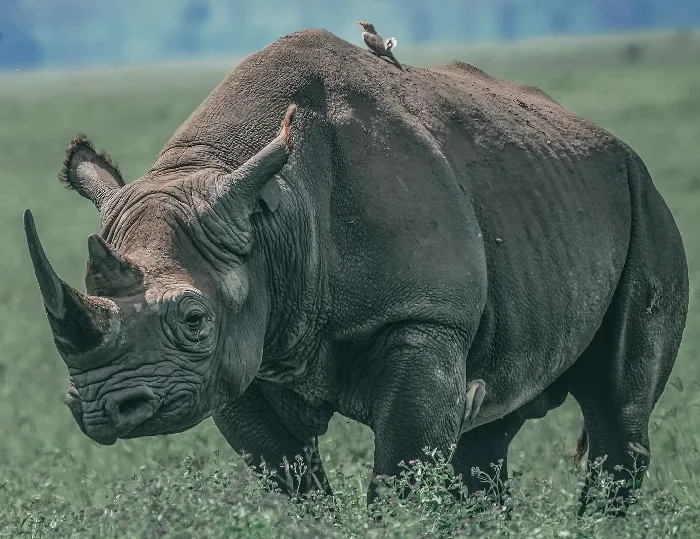
Ngorongoro is adjacent to the southern Serengeti calving zone — the crater's Big Five (including black
rhino) combine seamlessly with calving season visits. The crater offers year-round wildlife viewing
regardless of migration position.
Best: January–March · Good: Year-round
Section 07 — Wildlife of the Migration
Wildlife you'll see on a migration safari
The Great Migration safari in Serengeti is famous not only for the massive herds of wildebeest and zebras, but also for the incredible wildlife that follows them across the plains. As the migration moves through the ecosystem, predators such as lions, cheetahs, leopards, and hyenas remain close to the herds, creating some of the most exciting safari moments in Africa. Visitors on a Serengeti migration safari often witness dramatic hunting scenes, river crossings, and large concentrations of animals, making this one of the most sought-after wildlife experiences in Tanzania.
In addition to the migration, Serengeti National Park is home to year-round resident wildlife, making every safari rewarding in any season. The park hosts the Big Five, including elephants, buffalo, lions, leopards, and rhinos, along with giraffes, hippos, crocodiles, antelopes, and more than 500 bird species. Whether you travel during the peak wildebeest migration season or another time of year, a Serengeti safari offers unmatched game viewing and remains one of the best safari destinations in East Africa.
Wildebeest
1.5 million · Year-round Serengeti
Plains Zebra
200,000+ · Follow the wildebeest
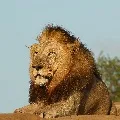
African Lion
Peak hunting — follows migration
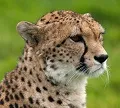
Cheetah
Jan–Feb peak · Calving season
Nile Crocodile
Up to 5m · Mara River Jul–Oct
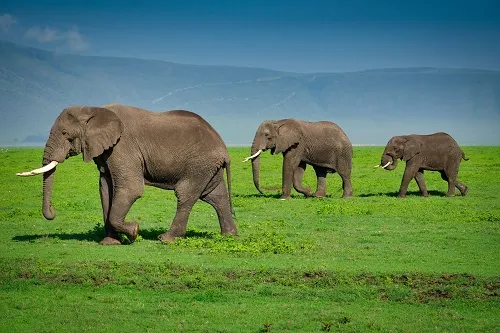
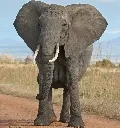
African Elephant
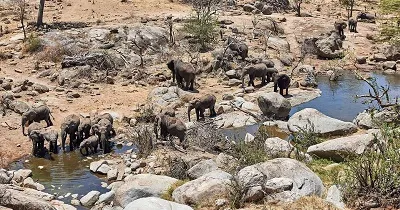
Year-round · All Serengeti zones
🐆
Calving season: Tanzania's best time to see cheetah in 2026 and 2027
Calving season in the southern Ndutu Plains is widely regarded as the best time to see cheetah in Tanzania, especially during January and February when thousands of wildebeest give birth on the open plains. The abundance of newborn calves attracts predators, and the short grass creates perfect visibility for spotting cheetahs stalking prey across the landscape. For photographers and wildlife enthusiasts planning a Tanzania safari in 2026 or 2027, this is one of the most rewarding times to experience close-up cheetah encounters.
February 2026 and February 2027 are particularly excellent for witnessing predator action in the Ndutu region, as the Great Migration settles in the calving grounds and creates ideal conditions for cheetah and wild dog sightings. Unlike many other safari destinations, Ndutu offers vast open terrain where cheetahs be seen hunting during daylight hours, making it a top destination for anyone searching for the best Serengeti calving season safari. This period is often considered the finest wildlife viewing season in northern Tanzania.
Section 08 — Quick Reference Table
Migration quick reference table 2026–2027
Month
Migration Phase
Location
Highlight
Crowding
Cost
Rating
January
Calving season
Southern Serengeti / Ndutu
Calving · Cheetah
Low–Med
Mid-range
★★★★★
February
Peak calving
Ndutu / South Serengeti
★ Peak calving · Predators
Med
Mid-range
★★★★★
March
Calving / Moving
South & Central
Calves maturing · Moving north
Low
Low–Mid
★★★★
April
Long rains / Moving
Central Serengeti
Dramatic landscape · Storm light
Very low
Lowest
★★★
May
Western corridor
Grumeti River
Grumeti River crossings
Low
Low
★★★★
June
Moving north
NW Serengeti
Columns heading north · Dry season
Med
Mid-range
★★★★★
July
★ Mara crossings
Northern Serengeti
Mara crossings begin
High
High
★★★★★
August
★ Peak crossings
Northern Serengeti
★ PEAK — multiple crossings/day
Highest
Highest
★★★★★
September
Mara crossings
Northern Serengeti
Crossings + clearest skies
High
High
★★★★★
October
Late crossings
Northern Serengeti
Late crossings · Return begins
Med
Mid-range
★★★★
November
Return south
Eastern / Central
Storm photography · Rains return
Very low
Low
★★★
December
Returning to Ndutu
Southern Serengeti
Herds returning · Cycle resetting
Low
Mid
★★★★
Section 09 — Expert Planning Tips
Expert tips for your 2026–2027 migration safari
📅
Book 9–12 months ahead for July–August
Northern Serengeti Mara crossing camps sell out for July and August by September–October of the
previous year. For August 2026 and 2027, enquire now. Flexible holds available.
🦁
Calving season is underrated
February is consistently the most wildlife-dramatic month — 8,000 calves born per day, peak cheetah,
wild dog and lion activity. Lower prices than July–August with equally extraordinary experiences.
🌊
Stay at least 3 nights at the Mara for crossings
Mara River crossings are unpredictable — arriving for a single night means you may miss them entirely.
We recommend a minimum 3 nights at a northern Serengeti camp to maximise crossing chances.
🎈
Consider a balloon safari over the migration
Hot air ballooning over the Serengeti plains at dawn — watching the migration from above — is one of
Africa's greatest experiences. Add to any Serengeti package (approximately $450/person).
🔭
Private vehicle = unlimited time with wildlife
All Resilience Expedition safaris use private vehicles only — you set the pace, you decide how long to
stay at a crossing, and you never compromise with other passengers on priorities.
💰
May and October offer peak-quality at shoulder prices
May (Grumeti River crossings) and October (late Mara crossings) offer dramatic migration action at
20–35% lower camp prices than peak July–August. Ask us about shoulder-season pricing.
🎈
The Serengeti balloon safari: our most recommended add-on experience
Launching before dawn, floating over the plains as the migration moves below, then landing for a
champagne bush breakfast — the Serengeti balloon safari is available year-round (when migration herds are
in central or southern Serengeti) and in the north during crossing season. We book all balloon safaris as
part of our packages. Ask us to add one when you enquire.
Section 10 — Guest Reviews
What guests say about the Great Migration
"
★★★★★
"We witnessed three Mara River crossings in two days. Nothing I have ever seen — including
every wildlife documentary I've watched — prepared me for the scale, the noise, the chaos, the crocodiles.
Our guide knew exactly where to position us 90 minutes before each crossing began. We were 8 metres from
the bank."
Sarah Mitchell
Mara River Crossings · August 2024
"
★★★★★
"We chose the calving season on Resilience Expedition's advice and it was the single best
safari decision we've ever made. Watching a lion take a newborn calf while its mother tried to protect it
— two metres from our vehicle — is something I will never forget. February is extraordinary. We return
every two years."
David Kimura
Ndutu Calving Season · February 2024
"
★★★★★
"We stayed 5 nights in the northern Serengeti during July. On Day 3 we watched a crossing
of approximately 40,000 animals. The crocodiles in the water, the lions waiting on the far bank, the
wildebeest paralysed with fear before one triggered the stampede. No words. Book this trip — do it now."
Anouk van der Berg
Northern Serengeti · July 2024
Section 11 — Expert Q&A
Great Migration frequently asked questions
The peak Mara River crossing window in both 2026 and 2027 is mid-July
through September, with August being the single most reliable month. The crossings begin as the
herds enter the northern Serengeti from the western corridor — typically from late June or early July.
August sees the highest crossing frequency, with multiple crossings per day possible at peak. September sees
slightly fewer crossings but clearer skies and fewer tourists. October sees late crossings but the herds
begin returning south. We recommend a minimum 3-night stay in the northern Serengeti for the best crossing
chances — crossing timing is entirely unpredictable and you may wait 1–2 days at the river before a major
crossing triggers.
Migration safari costs range significantly by accommodation tier and
season. Budget/camping options start from approximately $200 per person per day all-inclusive.
Mid-range lodge safaris run $300–500 per person per day. Luxury tented camps (the best for crossing access)
cost $600–1,500 per person per day. Ultra-luxury mobile camps positioned at crossing points reach
$1,500–3,000+ per person per day. Our 5-day Mara River crossings package starts from $1,600 per person
all-inclusive (private vehicle, guide, meals, accommodation, all park fees). Our 7-day full northern circuit
starts from $1,600 per person. Contact us for a fully personalised quote based on your dates and
accommodation preference.
This is our most asked question — and the honest answer is that both are
extraordinary and offer completely different experiences. The Mara River crossings
(July–September) are visually more dramatic — the stampedes, the crocodiles, the lions, the scale. The
calving season (January–February) is emotionally more profound — 8,000 calves born per day, cheetah hunting
in open grassland, wild dog packs running, lion prides nursing cubs and hunting simultaneously. The calving
season also costs less, has fewer tourists, and offers the finest cheetah viewing in East Africa. Our expert
recommendation: if you can only do one, choose your nearest available month. If you can do both across
different trips, do both — they are complementary experiences.
No wildlife experience is ever guaranteed — the migration follows rainfall patterns
which vary year to year, and individual Mara River crossings can happen at any point from early morning to
late afternoon, or not at all on a given day. However, with the right approach, seeing a crossing in
2026 or 2027 is highly likely. Key factors: stay in the northern Serengeti during peak window
(mid-July to September); stay at least 3 nights positioned at or near the main crossing points; use a highly
experienced guide who understands crossing behaviour and positioning. Resilience Expedition's guides have an
outstanding record of guiding clients to crossings — we know the Mara intimately and position guests
correctly. We never guarantee crossings — but we give you the best possible chance.
The Serengeti is approximately 330–370km from Arusha — a 4–5 hour drive by private
vehicle through Ngorongoro Conservation Area. Most visitors also opt for a domestic flight from Arusha
Airport (ARK) to one of the Serengeti's airstrips (Seronera, Kogatende, Lobo, Grumeti) which takes
approximately 45–90 minutes and adds significantly to the comfort and efficiency of the trip. Resilience
Expedition can arrange both driving and flying options depending on your budget and itinerary. Kilimanjaro
International Airport (JRO) is approximately 1 hour from Arusha — the ideal Tanzania arrival point.
Yes — and these combinations are among our most popular packages. Migration
+ Kilimanjaro: Climb Kilimanjaro first (7 days Machame Route) then join the migration safari —
July–August is both Kilimanjaro's peak climbing season AND the Mara crossing season, making this the most
extraordinary Tanzania adventure possible. Migration + Zanzibar: Fly from the Serengeti to
Zanzibar (via Dar es Salaam) for 3–5 nights of Indian Ocean beach — June–September is Zanzibar's peak beach
season, aligning perfectly with the Mara crossing window. We build all these combinations as seamless
private packages with all logistics coordinated.
A migration-specific safari is designed to position you in the right zone
of the Serengeti at the right time to witness the migration herds — whether calving season
(southern Serengeti) or Mara River crossings (northern Serengeti). This requires camp selection based on
migration position, guide expertise in reading migration movement, and flexible itinerary design. A standard
Serengeti safari visits the park for general Big Five viewing from a central base (Seronera) regardless of
migration position. The distinction matters enormously: staying in central Serengeti in August when the
herds are 200km north in the crossing zone means missing the migration entirely. All Resilience Expedition
migration safaris are zone-specific, migration-timed, and expertly guided.
Minimum recommended: 3 nights in the Serengeti (4 days game
driving). This gives you enough time to experience multiple game drives and a reasonable chance of a
crossing if visiting during July–September. Ideal duration: 5 nights in the Serengeti (6
days game driving) — maximising crossing chances and allowing for the unhurried pace that makes an African
safari truly memorable. Our recommendation for the full Tanzania experience: 7 days
Serengeti + 2 days Ngorongoro Crater + 3 days Zanzibar = 12 days total. This covers two of the world's
greatest wildlife destinations and ends on a perfect Indian Ocean beach. Contact us for a fully tailored
itinerary for either 2026 or 2027.
Ready to witness the Great Migration?
Tell us your travel dates and priorities for 2026 or 2027 — calving season, Mara River crossings, or both —
and we'll build a personalised migration safari around your schedule. Free detailed itinerary within 24
hours, no payment to enquire.