
The short answer: when to go Tanzania
Tanzania is a year-round destination — but each season offers a dramatically different experience. Here is the essential summary before we go deep.
At-a-glance answers
Most visitors choose between January–February (calving season drama, lower prices, fewer visitors) or July–August (Mara River crossings, peak wildlife concentration, busiest and most expensive). Both are extraordinary — which is right for you depends entirely on what you want to see and your budget. Tell us your priority and we will recommend the perfect month.
Tanzania's four distinct seasons explained
Tanzania experiences two rainy seasons and two dry periods each year. Understanding this pattern is the foundation of choosing the right travel dates — both for wildlife viewing and for your budget.
Unlike Europe's simple summer/winter split, Tanzania's seasons are driven by the Intertropical Convergence Zone (ITCZ) — a band of clouds and rainfall that migrates north and south across the equator twice a year. For safari travellers, this creates four distinct periods:
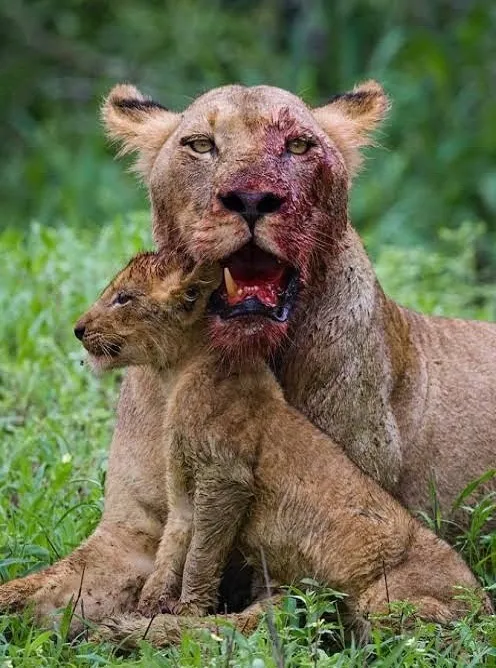
The main dry season — vegetation is sparse, wildlife concentrates at permanent water sources, and the Mara River crossings reach peak frequency in July–August. The most popular and expensive period. Blue skies, cool nights, and the finest game viewing of the year.
Pros
Best wildlife concentration Mara River crossings (Jul–Aug) Clear skies & photography Cool comfortable nightsCons
Most expensive period Busiest — more vehicles Book 9–12 months ahead Dusty & dry landscape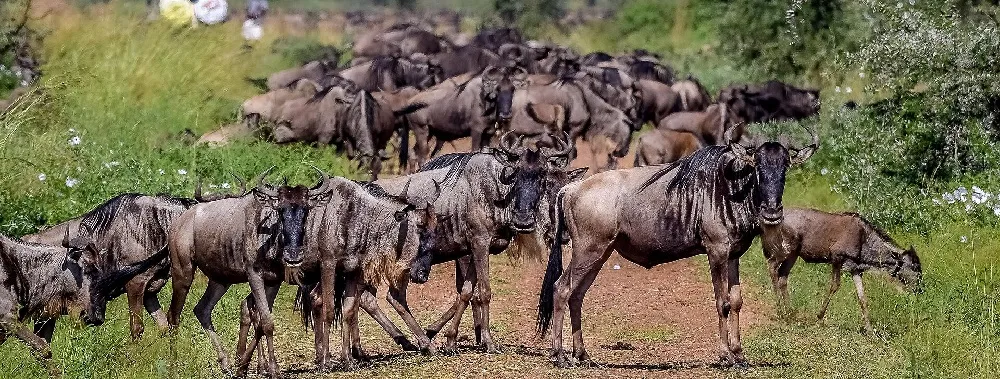
Tanzania's best-kept secret. The Serengeti's calving season — 500,000 wildebeest calves born in 3 weeks — with intense predator activity (cheetah, lion, hyena) hunting the vulnerable newborns. Lower prices and far fewer visitors than July–August, yet equally spectacular.
Pros
Calving season drama Low prices (vs Jul–Aug) Far fewer visitors Clear skies & warm daysCons
No Mara River crossings Migration in south only Can be very hot midday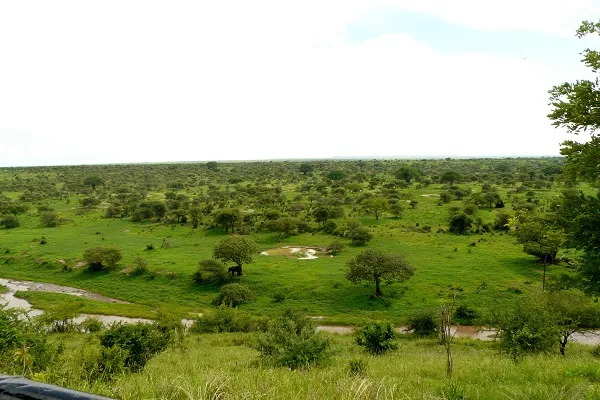
The long rains transform Tanzania into a lush, photogenic landscape — but game viewing is harder with dense vegetation and some roads closing. Prices drop 30–40%, parks are nearly empty, and birding is extraordinary. The wet season has its own dramatic beauty for photographers.
Pros
30–40% cheaper Virtually no other visitors Outstanding birding Dramatic landscapesCons
Heavy daily rains Some roads close Dense vegetation Some camps close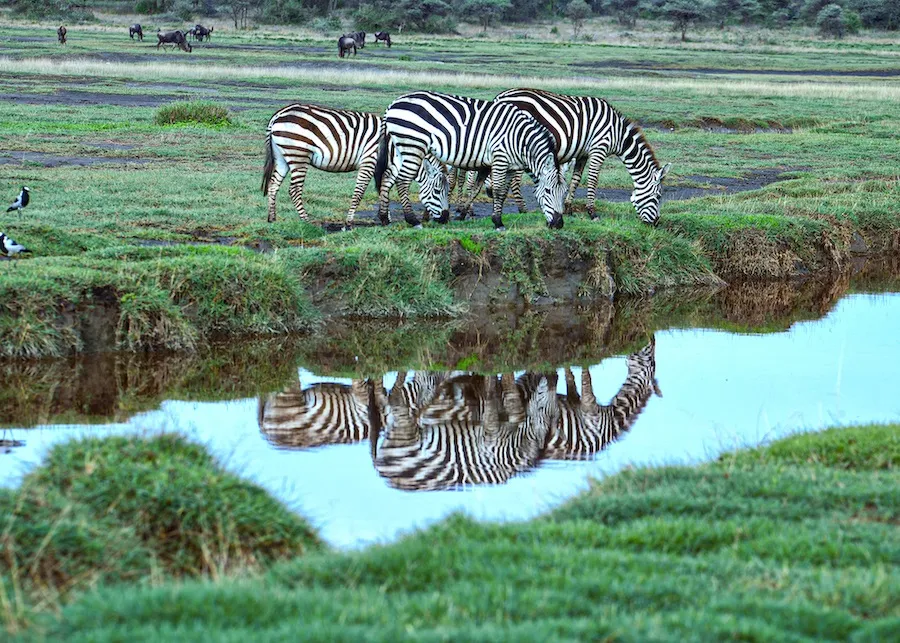
Brief afternoon showers — usually 1–3 hours of rain per day rather than all-day downpours. Parks stay green from the long rains, wildlife is plentiful with newborn animals, migratory birds arrive in large numbers, and prices are moderate. An underrated shoulder season.
Pros
Good value — lower prices Newborn animals Excellent birding Green, beautiful landscapeCons
Afternoon rain showers Some roads soften Fewer crossing eventsTanzania safari month-by-month comparison table
Use this at-a-glance table to compare all twelve months across the activities that matter most to you — from migration events to budget and crowd levels.
| Activity / Factor | Jan | Feb | Mar | Apr | May | Jun | Jul | Aug | Sep | Oct | Nov | Dec |
|---|---|---|---|---|---|---|---|---|---|---|---|---|
| Overall rating | ★★★★★ | ★★★★★ | ★★★ | ★★ | ★★★ | ★★★★ | ★★★★★ | ★★★★★ | ★★★★★ | ★★★★ | ★★★ | ★★★★ |
| Weather / roads | Dry | Dry | Rain beg. | Wet | Wet→Dry | Dry | Dry | Dry | Dry | Short rain | Short rain | Easing |
| Game viewing | Excellent | Excellent | Good | OK | Good | Great | Peak | Peak | Peak | Great | Good | Great |
| Great Migration | Calving | Calving | S→Central | Central | W.Corridor | W.Corridor | Mara Xing | Mara Xing | N.Serengeti | Return S. | S.Plains | S.Plains |
| Ngorongoro Crater | Excellent | Excellent | Good | Good | Good | Great | Peak | Peak | Peak | Great | Good | Great |
| Tarangire elephants | Great | Great | Good | OK | Good | Building | Peak | Peak +++ | Peak | Great | Good | Good |
| Bird watching | Great | Great | Excellent | Peak | Peak | Good | Good | Good | Good | Great | Excellent | Excellent |
| Kilimanjaro climbing | Excellent | Excellent | Good | Poor | Poor | Great | Peak | Peak | Excellent | Good | OK | Good |
| Zanzibar beach | Great | Great | OK | Poor | Poor | Excellent | Peak | Peak | Excellent | Good | OK→Good | Great |
| Accommodation cost | Moderate | Moderate | Low | Lowest | Lowest | Mid | Highest | Highest | High | Moderate | Low | Mid–High |
| Crowd levels | Low | Low | Very low | Minimal | Minimal | Moderate | Very busy | Busiest | Busy | Low | Very low | Moderate |
Every month in Tanzania — detailed breakdown
Each month in Tanzania offers a completely different experience. This section gives you an honest, detailed breakdown of what to expect in every month of the year.
- 500,000+ wildebeest calves born in 3 weeks
- Ngorongoro: peak predator hunting activity
- Clear blue skies, warm days, cool nights
- Low visitor numbers — excellent value
- Kilimanjaro: excellent summit conditions
- Calving season at absolute maximum
- Cheetah and lion hunting newborn wildebeest
- Ngorongoro crater superb — rhino sightings
- Hottest month — lake breezes help
- Ideal for honeymoon safaris
- Long rains arrive mid-month
- Extraordinary birding — migrants arrive
- Parks beautifully green and dramatic
- Prices drop significantly
- Some tracks become muddy
- Heaviest rainfall of the year
- Lowest prices — premium lodges at budget rates
- Virtually no other tourists in parks
- Ngorongoro accessible and dramatic
- Some remote park roads close
- Rains ease from mid-May
- Migratory birds in maximum numbers
- Parks freshly green and photogenic
- Good value — last month of low prices
- Conditions improving daily
- Dry season officially begins
- Grumeti River crossings start
- Tarangire elephant herds building
- Moderate prices — good availability
- Cool, clear, ideal game viewing
- Mara River crossings at full frequency
- All parks in peak wildlife condition
- Ngorongoro exceptionally dense wildlife
- Book 12+ months in advance
- Most expensive month of the year
- Most crossing frequency of any month
- Tarangire: 100–300 elephants daily
- Clearest skies — finest photography
- Busiest month — mandatory advance booking
- Highest prices of the year
- Migration begins returning south
- Tarangire still at elephant peak
- Ngorongoro: most dramatic density
- Slightly fewer visitors than August
- Marginally better value than Aug
- Short rains begin — afternoon showers only
- Migration returning to southern Serengeti
- Prices drop from peak — good deals
- Dramatic storm skies over savanna
- Zanzibar: excellent beach conditions
- Short rains — afternoon showers typically
- Newborn wildlife across all parks
- Migratory birds at annual peak
- Low prices — uncrowded parks
- Authentic bush atmosphere
- Rains ease from mid-December
- Conditions improving rapidly
- Holiday safari packages popular
- Wildebeest gathering in southern Serengeti
- Moderate-high prices (festive premium)
The Great Wildebeest Migration — complete timing guide
The most spectacular wildlife event on Earth — 1.5 million wildebeest, 250,000 zebra and 400,000 Thomson's gazelle complete an endless clockwise loop through the Serengeti-Mara ecosystem. The migration never stops — but the drama changes dramatically by month.
Short-grass plains
Grumeti River
Mara River crossings
January – February: The Calving Season
Tanzania's most underrated safari period. Between January and February, approximately 500,000 wildebeest calves are born on the Serengeti's southern short-grass plains — a staggering event concentrated over just three to four weeks. The abundance of vulnerable newborns triggers the most intense predator activity of the entire year. Cheetah mothers bring their cubs to hunt. Lion prides work together to bring down multiple wildebeest. Spotted hyena clans shadow the calving herds. For sheer predator-prey drama, nothing in Tanzania — and arguably nowhere in Africa — matches the calving season. Visitor numbers are a fraction of the July–August peak.
June: Grumeti River Crossings
As the dry season arrives in June, the migration begins moving north through the western corridor. The Grumeti River blocks their path — and the wildebeest must cross. While less famous than the Mara crossings, the Grumeti has enormous resident Nile crocodiles and can produce crossing events of extraordinary drama. The western corridor also sees the first clear game viewing of the dry season, with the Serengeti looking its most golden.
July – August: The Mara River Crossings
The most famous wildlife event in the world. Between July and August, the wildebeest herds accumulate on the northern Serengeti's plains before their instincts drive them toward and across the Mara River — a crossing watched by enormous Nile crocodiles. The crossings are completely unpredictable. The herds can approach the river, stand for hours, turn back, and repeat for three days before a single animal finally takes the plunge and triggers a stampede of thousands. This uncertainty is part of the magic. When a crossing happens, it is one of the most visceral wildlife experiences on Earth.
The northern Serengeti camps that position guests for Mara River crossing access sell out for July and August every year by September or October of the previous year. If you want to witness river crossings in 2026, start planning now. We can advise on the best positioned camps for each budget tier.
October – December: The Return South
From October, the short rains arrive and the wildebeest begin their return journey south. By November, the southern Serengeti's short-grass plains — rejuvenated by the rains — begin attracting the herds. The pre-calving period (November–December) is an underrated time to be on the southern plains as the pregnant females gather, and the landscape is green and lush following the rains.
Best time for each destination
Every park and destination in Tanzania has its own optimal season. Here is the specific timing advice for each one.
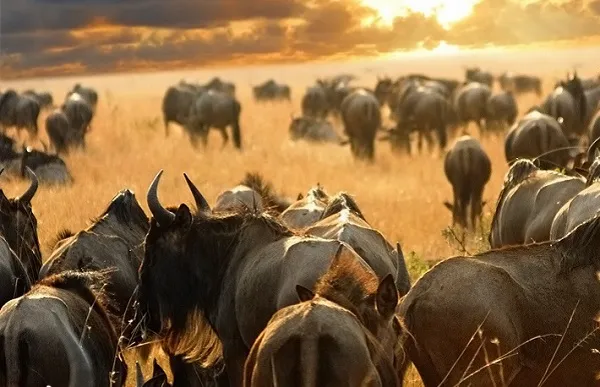
Serengeti is extraordinary year-round — but the timing determines which chapter of the Migration story you witness. July–August for Mara crossings; January–February for calving season drama; June and September–October for excellent game viewing with fewer crowds.
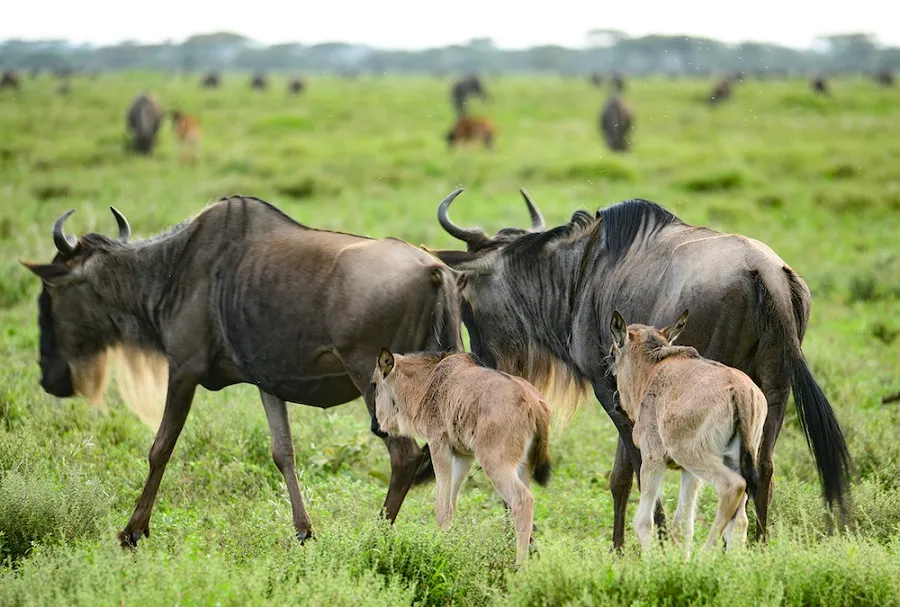
Ngorongoro is excellent year-round — it is an enclosed caldera and animals cannot easily leave. The dry season (June–October) sees the crater floor at its most wildlife-dense as animals concentrate near permanent water. January–February also excellent. Avoid April–May for crater access (some roads very muddy).
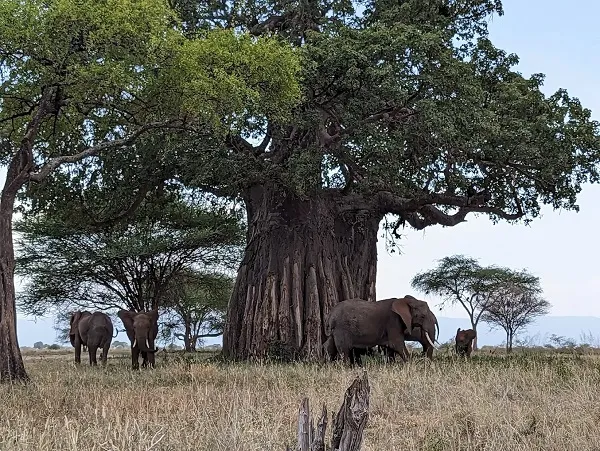
Tarangire's spectacle is seasonal — driven by the dry season concentration of elephants at the Tarangire River. July–October is when herds of 100–300 elephants visit daily. The rest of the year is still good, but elephants disperse widely. January–February is also rewarding.
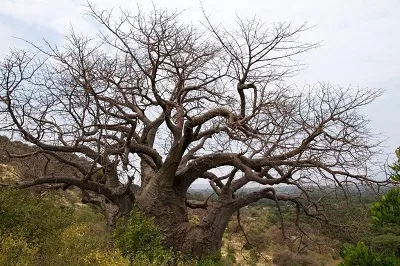
Lake Manyara's tree-climbing lions and flamingoes are present year-round, but the dry season produces the most concentrated and rewarding game viewing. The lake level rises during rains (April–May), which affects flamingo numbers. January–February is excellent with fewer visitors.
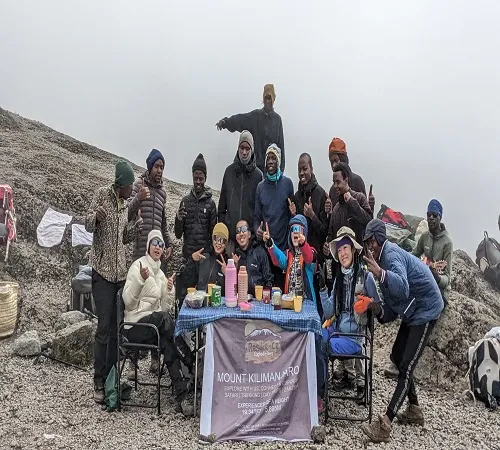
Two main climbing windows. January–March: warm, dry, excellent visibility — and the calving season makes a post-climb safari extraordinary. June–October: the main dry season with the clearest summit views. Avoid April–May (long rains, muddy trails, low cloud). December is possible but weather is variable.

Zanzibar's weather varies by coast. North coast (Nungwi, Kendwa) is sheltered and swimmable year-round. East coast (Paje) is best June–October when trade winds create perfect kitesurfing. Avoid April–May (long rains) for the east coast. December–February is excellent. October–November is transition — can be unpredictable.
Tanzania safari costs — how season affects price
Your travel dates are the single biggest factor in Tanzania safari pricing. Understanding the seasonal cost difference helps you maximise your experience for your budget.
Long Rains
- 30–40% cheaper than peak season
- Luxury camps at mid-range prices
- Virtually no other tourists in parks
- Outstanding birding & lush landscapes
- Some roads & camps close
Short Dry + Short Rains
- Best value vs quality ratio
- Excellent wildlife (calving or crossings)
- Fewer vehicles than peak season
- Good availability at top camps
- Reasonable advance booking (4–6 months)
Dry Season Peak
- Mara River crossings (Jul–Aug)
- Peak wildlife concentration
- Best overall game viewing conditions
- Book 9–12 months ahead
- Most visitors — more vehicles in parks
January and February combine the extraordinary calving season — with 500,000 wildebeest calves and intense predator activity that rivals the river crossings in drama — with prices 20–30% below the July–August peak and far fewer visitors. For most travellers, this is the optimal balance of experience and cost. Book 3–4 months ahead for these months.
Best time for bird watching in Tanzania
Tanzania is one of the world's premier bird watching destinations — over 1,000 species recorded, including hundreds of Palearctic and intra-African migratory species that flood the country during the wet season.
Tanzania's bird watching calendar divides into two distinct phases. The resident species are present and viewable year-round — including the ground-nesting ostrich, the majestic martial eagle, the lilac-breasted roller (often called Tanzania's most beautiful bird), and the extraordinary secretary bird. These residents can be seen on any safari at any time of year.
The migratory season (November through April) is when Tanzania's bird watching reaches a different level entirely. European and Central Asian species winter in Tanzania during this period — including Palearctic waders on the lake shores, European swallows filling the skies over the Serengeti, and raptors from as far north as Scandinavia. At the peak (December–March), it is possible to record 200+ species in a single day in the Serengeti or Ngorongoro. For serious birders, this wet season period is the undeniable target.
Best parks for bird watching by season
Tarangire (November–April): Tanzania's finest birding park — 550+ species, including dry-zone endemics (yellow-collared lovebird, ashy starling) present year-round, and extraordinary migratory influxes during the rains. The Lemiyon Swamp in northern Tarangire can produce 200+ species in a morning during peak migration months.
Lake Manyara (December–March): The soda lake attracts massive flamingo concentrations and migrating waterbirds. The groundwater forest has resident Silvery-cheeked hornbill, black-and-white casqued hornbill, and nesting African fish eagles. The open acacia woodland supports migrating flycatchers, warblers, and thrushes from Europe.
Ngorongoro Highlands (October–April): The Ngorongoro crater rim forests shelter Hartlaub's turaco, Rufous-tailed weaver, and migrating forest species. The crater floor's Lerai forest attracts unusual assemblages in the wet season.
Resilience Expedition provides specialist bird-watching guides with separate ornithological qualifications alongside their TANAPA safari licence. They carry field guides, spotting scopes, and audio playback equipment for target species. Birding specialist packages can be built around any month and any park combination. Mention your birding priorities when enquiring.
Expert tips for choosing your travel dates
Book peak season 12 months ahead
July and August camps in the northern Serengeti sell out by September–October of the previous year. For 2026 peak season, book by September 2025. No exceptions — the best-positioned camps are first to go.
Don't overlook the green season
April–May delivers 30–40% cheaper accommodation, virtually empty parks, extraordinary birding, and photogenic lush landscapes. Luxury camps are available at mid-range prices. Ngorongoro stays accessible throughout. The tradeoff is some muddy roads and variable weather.
Combine seasons for best value
The ideal 8-day itinerary: 5 days safari in January–February (calving season, lower prices) + 3 days Zanzibar (north coast excellent in Jan–Feb). You get world-class wildlife with 20–30% savings over the July–August equivalent itinerary.
Rivers crossings are unpredictable
The Mara River crossings are never guaranteed on any specific day — the wildebeest choose their own timing. Being in position for 3+ nights in the northern Serengeti dramatically increases your chances. One-night visits often miss crossings entirely. Budget for at least 2 full days at the Mara.
Combine Kilimanjaro with safari in January
January–February is the best month to combine a Kilimanjaro climb (clear, dry, good summit visibility) with the calving season safari. After a 7-day Machame climb, a 5-day safari on the southern Serengeti calving plains creates the ultimate Tanzania itinerary. Book both as one package for the best logistics and pricing.
Birders: target November–March
If bird watching is a priority, target November through March — particularly December through February. The combination of resident species plus the full complement of Palearctic winter migrants makes this the most species-rich period. Pair with Tarangire for the full 550+ species experience.
Common questions about Tanzania safari timing
What guests say about each season
"We went in February for the calving season — everyone said 'wait for the river crossings' but honestly, watching a cheetah sprint through 10,000 wildebeest calves at dawn with absolutely no other vehicles in sight was more powerful than any crossing I've seen in documentaries. February is extraordinary."

"Saved 35% by going in early June instead of August — and I saw everything I came for, including a male lion killing a wildebeest calf at Grumeti. The western corridor crossings were dramatic. Our guide said June is his personal favourite month. I completely understand why."
"My third Tanzania trip — this time in August for the Mara crossings. Three crossings in two days. The first time I cried watching wildlife. The second crossing had a crocodile take a wildebeest mid-river while our guide had positioned us 20 metres away. August is unbeatable if you can afford it."
Ready to plan your Tanzania safari?
Tell us your ideal travel dates — or ask us to recommend the best month for your priorities — and we'll send a personalised itinerary and quote within 24 hours. No payment required, no obligation.

Resilience Expedition is based in Moshi, Tanzania — at the foot of Kilimanjaro. Our guides have operated safari and climbing expeditions across the northern Tanzania circuit for over a decade. Every recommendation in this guide comes from personal experience, not commission-driven booking platform algorithms.


